African Union
The African Union is a continental organisation comprising 55 member states that aims to promote unity, peace, security and socioeconomic development across Africa. Established in 2002 in Durban, South Africa, the AU succeeded the Organisation of African Unity, which had been founded in 1963 to advance decolonisation and solidarity among newly independent African states. The AU's headquarters are located in Addis Ababa, Ethiopia, and its principal decision-making body is the Assembly of the African Union, composed of heads of state and government who meet at least once a year. The organisation's mandate encompasses conflict prevention and resolution, promotion of democratic governance and human rights, economic integration and the coordination of development policies across the continent. Key organs include the Pan-African Parliament, the African Court of Justice and Human Rights, the Peace and Security Council and the African Union Commission, which serves as the secretariat. The AU has deployed peacekeeping missions in conflict zones, mediated political crises and championed initiatives such as the African Continental Free Trade Area and AU Agenda 2063, a fifty-year development blueprint. Funding comes from member-state contributions, though the organisation has historically faced challenges with arrears and reliance on external donors. The AU plays a central role in representing African interests in global forums and fostering regional integration through partnerships with regional economic communities such as the Southern African Development Community. Its vision is of an integrated, prosperous and peaceful Africa driven by its own citizens.
African Union Updates
How Houthi military aggression in the Red Sea threatens Africa
By: ISS, Institute for Security Studies 9th October 2026 Growing ties between the Houthis and al-Shabaab could turn Red Sea instability into a more dangerous security threat for Africa. The United... →
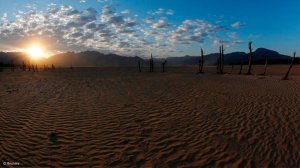
Africa can see El Niño coming – will countries act in time?
By: ISS, Institute for Security Studies 8th October 2026 Early warnings must be heeded to protect coping capacity and prevent a foreseeable shock from becoming an irreversible setback. A strong El Niño... →
Daily Podcast – October 07, 2026
By: Thabi Shomolekae 7th October 2026 Making headlines: South Africa to establish new Commission to oversee State firms; Mashatile urges National Dialogue committee to resolve key... →

The global panel on inequality needs African evidence: here’s how it could work
7th October 2026 World leaders have been asked to support a proposed International Panel on Inequality. Brazil, Norway, South Africa and Spain, together with Nobel... →
African Union to launch continent's first credit rating agency
By: Reuters 7th October 2026 The African Union will launch the continent's first credit rating agency on Wednesday, seeking to provide an alternative to the "big three" global... →

Military coups promise change – 4 ways they can leave African countries worse off
6th October 2026 A military coup d’état is the ouster of an elected president or head of state, usually through the use or threat of force. Putschists (those who... →

Africa’s new credit agency: why it’s needed
5th October 2026 The formal launch of the Africa Credit Rating Agency (AfCRA) has required considerable institutional commitment. It brings to fruition an effort... →
Ethiopian forces near Tigray capital, fears grow of wider conflict
By: Reuters 2nd October 2026 Ethiopian government forces closed in on the capital of the northern rebel stronghold of Tigray on Friday, residents and a diplomat said, as fears... →
AfDB to launch effort to help African countries manage credit ratings, president says
By: Reuters 1st October 2026 The African Development Bank will launch an initiative to help countries on the continent better prepare for credit ratings, President Sidi Ould... →
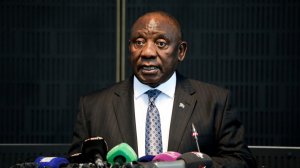
SA: Cyril Ramaphosa: Address by South African President, at Summit of AU committee on South Sudan (C5) Plus (29/09/2026)
29th September 2026 The Revitalised Agreement on the Resolution of Conflict in South Sudan remains the only internationally recognised framework for the... →