Institute For Security Studies
The Institute for Security Studies (ISS) is a pan-African policy research organisation focused on human security, governance and conflict analysis across the continent. It conducts research, offers training and provides policy advice to governments, regional bodies and international partners on issues including organised crime, terrorism, illicit trade and natural-resource governance. The institute has offices in several African cities, including Pretoria, Nairobi, Addis Ababa and Dakar, giving it a broad continental footprint. Its analysts frequently publish reports and commentary on conflict dynamics in the Great Lakes region, including illicit gold and mineral smuggling networks linking the Democratic Republic of Congo to regional and global markets. The ISS works closely with regional economic communities such as the Economic Community of Central African States and the African Union on peace and security matters. It is regularly cited by journalists and policymakers as an independent source of expertise on organised crime, artisanal mining and cross-border security threats in sub-Saharan Africa. The institute also monitors armed groups and their financing mechanisms, including those operating in eastern Congo. Its research informs debates on curbing corruption and improving mineral-supply-chain transparency. Established to strengthen African-led approaches to security challenges, the ISS has grown into one of the continent's most cited security-research bodies. It maintains partnerships with donor governments and international organisations to fund its research and outreach programmes.
Institute For Security Studies Updates
The criminalisation trap in Africa’s responses to artisanal mining
By: ISS, Institute for Security Studies 28th October 2026 Crackdowns often punish miners who are trying to survive, fuelling crime and conflict while leaving powerful players untouched. Thirty-seven boys... →

#LGE2026: nine ANC manifesto claims put to the test
By: Africa Check 21st October 2026 Several of the ANC’s claims are supported by the data, including those on access to water and sanitation, state-subsidised housing, employment... →

A new SAPS oath could help restore police pride and public trust
By: ISS, Institute for Security Studies 19th October 2026 Building a professional police identity based on a strong ethical commitment is as important as discipline and accountability. There is no question... →
Libya’s arsenals are a blind spot in the Tripoli agreement
By: ISS, Institute for Security Studies 14th October 2026 Disbanding militias is key to the country’s reunification, but could lead to weapons stockpiles being trafficked into neighbouring countries. An... →
South Africa need not wait for corruption convictions
By: ISS, Institute for Security Studies 12th October 2026 The country has several powerful tools to prevent corruption before more damage is done. Why aren’t they being used? For many South Africans,... →
Mozambique’s army is losing a crucial counter-insurgency battle
By: ISS, Institute for Security Studies 5th October 2026 Foreign training has strengthened the army, but abuses against civilians undermine the community support needed to defeat insurgents. When... →
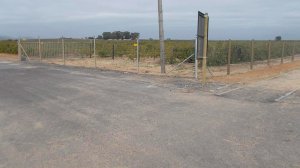
Agri SA, Institute for Security Studies formalise commitment to combat rural crime
By: Marleny Arnoldi 30th September 2026 Industry body Agri SA has signed a memorandum of understanding with the Institute for Security Studies (ISS), which formalises a working... →

South Africa’s police reset depends on 140 station commanders
By: ISS, Institute for Security Studies 29th September 2026 The new reform agenda puts high-crime stations in the spotlight, but their commanders need the tools and authority to succeed. Recommendations from... →

#LGE2026: Seven claims from the DA’s election manifesto fact-checked
By: Africa Check 28th September 2026 South Africans will vote in local government elections on 4 November 2026. Survey data from Afrobarometer suggests that unemployment, crime, water... →
SA local elections will test voters’ ability to spot fake news
By: ISS, Institute for Security Studies 25th September 2026 Public confidence in identifying disinformation is falling just as AI and hyper-local campaigning make election manipulation harder to detect.... →