Uganda
Uganda is a landlocked country in East Africa, bordered by South Sudan to the north, Kenya to the east, Tanzania to the south, Rwanda to the southwest and the Democratic Republic of Congo to the west. The capital and largest city is Kampala. With a population of about 47-million, Uganda has one of the youngest and fastest-growing populations in the world. The economy is primarily agricultural, with coffee being the leading export crop, though the country also produces tea, cotton, tobacco and fish. Uganda has significant mineral resources including copper, cobalt, gold and recently discovered oil reserves in the Albertine Graben region along the border with the Democratic Republic of Congo. The currency is the Ugandan shilling. The country operates as a presidential republic, with President Yoweri Museveni having held office since 1986. Uganda is a member of the East African Community, the African Union and the Commonwealth of Nations. The country has played a significant regional security role, contributing troops to peacekeeping missions and engaging in cross-border operations against insurgent groups. Uganda gained independence from British colonial rule in 1962, and its post-independence history has been marked by periods of political instability and conflict, followed by relative stability and economic growth since the late 1980s.
Uganda Updates
Kenya says tests on suspected Ebola case come back negative
By: Reuters 9th October 2026 Preliminary laboratory results on a sample from a Kenyan patient who was suspected of having Ebola have come back negative, the governor of the... →
Kenya Ebola case exposes gaps in border screenings
By: Reuters 7th October 2026 By the time Kenya's first Ebola patient was whisked to a hospital by relatives straight after landing at Nairobi airport, he was already exhibiting... →

Military coups promise change – 4 ways they can leave African countries worse off
6th October 2026 A military coup d’état is the ouster of an elected president or head of state, usually through the use or threat of force. Putschists (those who... →
Zambia to sign $1.5bn US health pact after resolving differences over data-sharing
By: Reuters 6th October 2026 Zambia's government will sign an agreement allowing it to receive $1.5-billion in health funding from the United States after resolving concerns... →
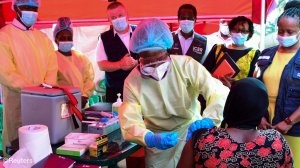
Kenya confirms first Ebola case imported from Congo, patient has died
By: Reuters 6th October 2026 Kenya has recorded its first confirmed Ebola case, a Kenyan citizen who has been living in Democratic Republic of Congo and arrived in Nairobi on... →

Cybercrime across borders: Navigating Africa’s fragmented legislative landscape – Part 2
18th September 2026 In Part one of this series, we detailed the disparity amongst the African countries in mainly Southern Africa and the various approaches to... →

When the clock starts ticking... Why cross-border data breach response demands more than good intentions
18th September 2026 Picture this… A retailer with operations spanning southern and eastern Africa discovers on a Friday evening that a threat actor has exfiltrated... →
Beyond sovereignty: nationally led crisis response in East Africa
18th September 2026 In the past two years, the humanitarian sector has contracted by almost one-third because of large falls in funding from public and private donors.... →
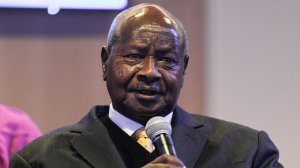
Uganda’s military takes centre stage in Museveni succession
By: ISS, Institute for Security Studies 16th September 2026 The increased influence of Museveni’s son in government and his position as military chief threaten Uganda’s democracy. Uganda’s January elections,... →
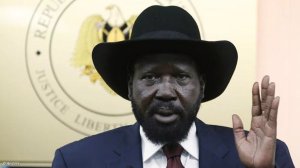
Credible elections are no longer possible in South Sudan – what next?
By: ISS, Institute for Security Studies 16th September 2026 Attention should shift to preserving the peace deal that underpins the current government and is key to averting large-scale violence. South... →