Chad
Chad is a landlocked country in north-central Africa. The capital is N'Djamena. With a population of about 17-million, Chad's economy is heavily dependent on oil exports, which account for the majority of government revenue, alongside agriculture and livestock herding. The currency is the CFA franc, shared with several other francophone African nations. Chad operates under a presidential republic system, though it has experienced prolonged periods of authoritarian rule and political instability. The country is a member of the African Union and the Economic Community of Central African States. Chad has significant strategic importance in the Sahel region, serving as a key partner in international counterterrorism efforts against militant groups operating across the Sahel and Lake Chad basin. The nation has maintained close historical ties with France, its former colonial power, though recent geopolitical shifts have seen growing interest from other international actors including Russia and China. Since independence in 1960, Chad has faced recurring internal conflicts, coups and cross-border tensions, alongside challenges related to poverty, food insecurity and climate change affecting the Lake Chad region.
Chad Updates
Chad’s anti-corruption institutions buckle under political pressure
By: ISS, Institute for Security Studies 14th September 2026 An aborted oil sector audit exposes the gulf between Chad’s commitments and its willingness to investigate powerful interests. On 12 August, Chad’s... →
Foreign support, drones fuel Sudan war and possible war crimes, UN probe says
By: Reuters 3rd September 2026 Foreign weapons, military technology, fighters and logistical networks are helping sustain Sudan's conflict and expanding the warring parties'... →
Chad’s quiet return to French military support
By: ISS, Institute for Security Studies 20th August 2026 Chad’s rapprochement clashes with its recent emphasis on national sovereignty and risks reviving insecurity among neighbours and disillusionment at... →
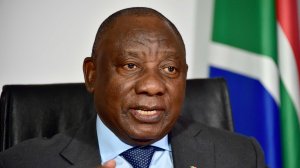
Daily Podcast – August 14, 2026
By: Halima Frost 14th August 2026 Ramaphosa calls for regional action on xenophobia; South Africa's top court blocks Shell's Wild Coast exploration plans; And, Chad's president... →
Chad's president pardons main rival and opposition leader in jail
By: Reuters 14th August 2026 Chad's presidency said in a statement that President Mahamat Idriss Déby has pardoned his main rival and opposition leader Success Masra, who has... →

Nigeria’s border closure failed to stop smuggling. Here’s why
13th August 2026 Border closures don’t always produce the intended objectives. The idea is usually to control illegal movements and prohibited goods, lessen... →
Boko Haram’s Cameroonian commanders are extending the group’s reach
By: ISS, Institute for Security Studies 3rd August 2026 Boko Haram’s growing reliance on its Cameroonian leaders is fuelling attacks in the country and strengthening the group’s resilience. Boko Haram is... →
Boeings identified in Reuters report carried weapons for Sudanese paramilitary, UN experts find
By: Reuters 29th July 2026 United Nations experts have found that Boeing 727s linked by Reuters to a US military contractor's business network transported mercenaries,... →
Fragmented security allows terrorists’ cross-mobility across Lake Chad and Sahel
By: ISS, Institute for Security Studies 27th July 2026 As Islamic State affiliates extend their reach, states must find ways to share intelligence and cooperate, despite political fractures. Islamic... →
Central Africa’s shifting alliances between armies and armed groups
By: ISS, Institute for Security Studies 17th July 2026 State security forces, militias and vigilante groups increasingly overlap, making insecurity more profitable and conflict harder to resolve. Across... →