Central African Republic
The Central African Republic is a landlocked country in central Africa. The capital is Bangui. The population is estimated at about 5.5 million, and the economy is one of the least developed in the world, heavily reliant on subsistence agriculture, forestry and diamond mining. The currency is the Central African CFA franc. The country operates under a presidential republic system of government. It is a member of the Economic Community of Central African States and the African Union. The Central African Republic has faced prolonged political instability, armed conflict and humanitarian crises since independence from France in 1960. Recurring violence has severely constrained economic development and left much of the population dependent on international aid. The country possesses significant natural resources, including diamonds, gold, uranium and timber, but exploitation has been hampered by poor infrastructure, governance challenges and insecurity. Despite its resource base, the Central African Republic remains one of the poorest and most fragile states globally, with limited access to healthcare, education and basic services across much of its territory.
Central African Republic Updates

African Union peacekeeping is growing as UN missions decline: research finds a mixed record of success
15th September 2026 When violent conflict erupts in Africa, attention often turns to the United Nations, major powers, or external donors. Yet over the past two... →
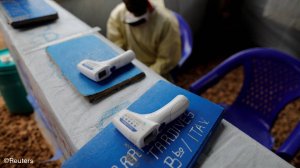
Health officials turn to mobile-phone data to track Ebola spread in Congo
By: Reuters 14th September 2026 Health officials battling the Ebola outbreak in eastern Democratic Republic of Congo are using anonymised mobile-phone data to map population... →
Ebola case detected in northwestern province far from epicentre, official says
By: Reuters 11th September 2026 An Ebola case has been detected in a province in the northwestern corner of Democratic Republic of Congo, far from the epicentre of the country's... →

DRC’s Ebola epidemic could be the worst in history: 4 things that could help end it
4th September 2026 The Democratic Republic of Congo’s fight against Ebola has reached a tipping point. It can accelerate what it has been doing to bring the latest... →
Chad’s quiet return to French military support
By: ISS, Institute for Security Studies 20th August 2026 Chad’s rapprochement clashes with its recent emphasis on national sovereignty and risks reviving insecurity among neighbours and disillusionment at... →
International criminal justice needs more than solidarity to survive
By: ISS, Institute for Security Studies 29th July 2026 As the onslaught against the International Criminal Court continues, champions of justice must back global accountability through action. On 17... →
Central Africa’s shifting alliances between armies and armed groups
By: ISS, Institute for Security Studies 17th July 2026 State security forces, militias and vigilante groups increasingly overlap, making insecurity more profitable and conflict harder to resolve. Across... →
Weak governance of gold mining still drives conflict in Central Africa
By: ISS, Institute for Security Studies 8th July 2026 Gold mining revenues are increasingly bypassing official coffers in the Democratic Republic of the Congo (DRC) and Cameroon. Between 2021 and 2025,... →
South Sudan’s sexual violence crisis: more than a wartime phenomenon
By: ISS, Institute for Security Studies 22nd June 2026 The persistent crisis exposes serious failures by the state, peacekeeping missions and justice mechanisms tasked with protecting civilians. In... →

US plans to deport Iranians to Central African Republic, sources say
By: Reuters 12th June 2026 The Trump administration plans to deport a number of Iranians and other migrants to Central African Republic, a chronically unstable country racked... →