Cameroon
Cameroon is a country in Central Africa bordered by Nigeria to the west, Chad to the northeast, the Central African Republic to the east, and Equatorial Guinea, Gabon and the Republic of the Congo to the south. Its capital is Yaoundé, while Douala is the largest city and principal commercial hub. Cameroon has a population of about 28-million and is often described as Africa in miniature owing to its geographic, linguistic and cultural diversity. The economy is anchored by oil and gas production, agriculture, forestry and mining, with cocoa, coffee, cotton and timber among leading exports. Cameroon is a member of the Central African Economic and Monetary Community and uses the Central African CFA franc. The country operates as a decentralised unitary republic under a presidential system. It is a member of both the Commonwealth of Nations and the Organisation internationale de la Francophonie, reflecting its dual colonial heritage under British and French administration. Cameroon faces security challenges in its Far North region, which borders the Lake Chad Basin and has been affected by insurgency, and in its Anglophone North-West and South-West regions, where separatist tensions have led to armed conflict and displacement. The government has engaged in regional security cooperation, including participation in the Multinational Joint Task Force against insurgent groups. Cameroon's strategic location and resource base make it a significant actor in Central African economic and security affairs.
Cameroon Updates
Instant payments outpace Central Africa’s anti-money laundering controls
By: ISS, Institute for Security Studies 17th September 2026 The region has joined an African cross-border payment system built for speed and trade – but it could accelerate financial crime. Sending money... →
WTO says global trade system at critical juncture, urges reform
By: Reuters 15th September 2026 The World Trade Organization on Tuesday urged its members to reform global trade rules or risk a slide into fragmentation that could significantly... →
Unusual suspects: elders in West Africa’s changing drug trade
By: ISS, Institute for Security Studies 27th August 2026 The apparent rise of trafficking by older adults could reflect a new criminal adaptation rather than individual criminality. Adults aged 50 and... →

Nigeria’s border closure failed to stop smuggling. Here’s why
13th August 2026 Border closures don’t always produce the intended objectives. The idea is usually to control illegal movements and prohibited goods, lessen... →
Rampant kidnappings spread fear and insecurity in Madagascar
By: ISS, Institute for Security Studies 6th August 2026 Curbing this violent crime wave could make or break the transitional government – and solutions will require more than military deployment.... →
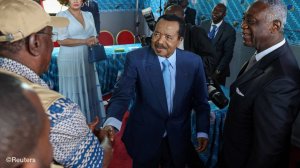
Cameroon's Biya, unseen for 58 days, reshuffles military leadership
By: Reuters 4th August 2026 Cameroon's President Paul Biya has reshuffled senior military staff, promoting the head of the Presidential Guard to a brigadier general from... →
Boko Haram’s Cameroonian commanders are extending the group’s reach
By: ISS, Institute for Security Studies 3rd August 2026 Boko Haram’s growing reliance on its Cameroonian leaders is fuelling attacks in the country and strengthening the group’s resilience. Boko Haram is... →
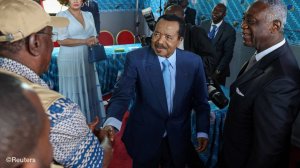
Cameroon's ruling party meets as Biya's long absence draws criticism
By: Reuters 22nd July 2026 Cameroon's ruling party called a rare meeting of senior leaders on Wednesday as criticism mounted over the continued absence of President Paul... →
Central Africa’s shifting alliances between armies and armed groups
By: ISS, Institute for Security Studies 17th July 2026 State security forces, militias and vigilante groups increasingly overlap, making insecurity more profitable and conflict harder to resolve. Across... →
Weak governance of gold mining still drives conflict in Central Africa
By: ISS, Institute for Security Studies 8th July 2026 Gold mining revenues are increasingly bypassing official coffers in the Democratic Republic of the Congo (DRC) and Cameroon. Between 2021 and 2025,... →