





The Cape Forum, a new civil society organisation under the banner of AfriForum, is calling for a referendum on devolving policing powers to the province.
Policing is currently a national function carried out by the police.
The referendum would seek to establish if Western Cape residents would support devolving policing powers to provincial governments, and if they would support National Treasury issuing funds allocated for policing directly to provinces, instead of the police.
Cape Forum leader Heindrich Wyngaard announced at its launch on Wednesday the organisation had written to Western Cape Premier Alan Winde to get clarity on whether the premier had the power to hold a referendum.
Should the premier have these powers, the Cape Forum hopes to hold a referendum to establish how many Western Cape residents would support making policing a provincial function.
Last month, shortly after the Cape Forum's formation was announced, a petition was started to reject the perception of Wyngaard representing coloured people as part of a so-called "coloured AfriForum".
At the time, he told News24 the organisation looked to work with communities in the Western Cape to take control of state functions that were not performing properly.
Wyngaard said safety was one of their main focus points, adding:
Safety is a matter that affects every citizen of the province, immediately and all day long.
Devolving policing to a provincial level, Wyngaard said, would allow the allocation of resources to areas that need them most.
"The province would be able to make decisions about where police members are deployed and police stations are established.
"We hear of Police Minister Bheki Cele saying that the Western Cape is the last province that should complain about the allocation of resources, yet we are aware of around 5 000 vacancies at police stations in the province," he claimed.
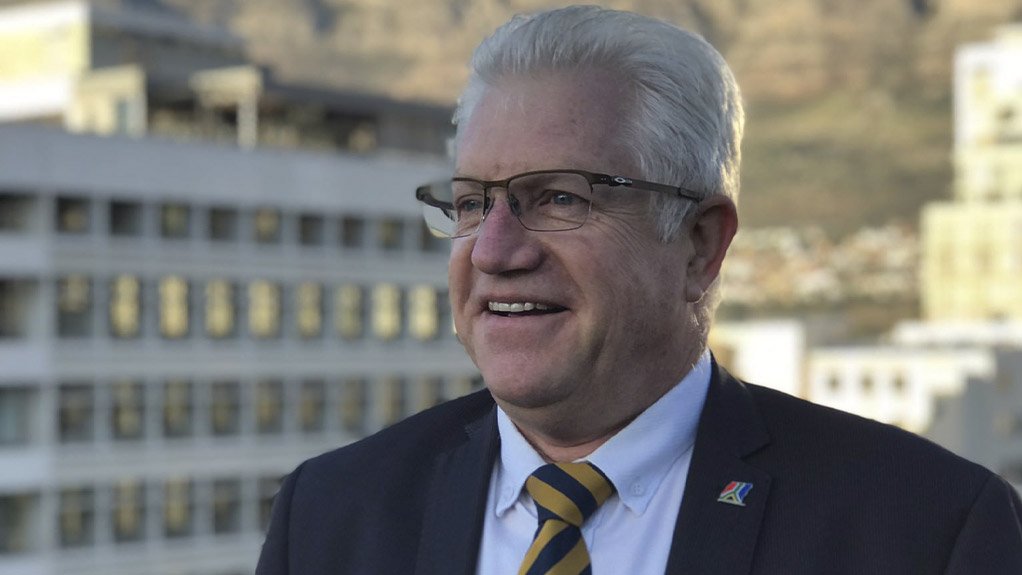
Winde has been vocal about devolving policing powers to provinces, often embarking on a war of words with Cele over police resourcing in the province.
The premier said the Western Cape government did not currently have the legal mandate to call referendums as there was no enabling legislation to this effect.
"This is why I support the Private Members Bill currently in the national Parliament that would enable all nine premiers in South Africa to call a referendum, as is enshrined in South Africa’s Constitution."
Winde maintained the provincial government strongly supported federalism, with powers, including policing, being devolved closer to the people of the Western Cape.
"This means local and provincial governments that have the ability to get the job done, should be allowed to do so. This is a cause which we will continue to push hard for, and champion, as we are already doing with a number of our programmes, including the Law Enforcement Advancement Plan.
"We have already deployed over 1 000 law enforcement officers to crime hotspots through this programme," he said.
Winde added the devolution of powers from the national to the provincial government would give the province a greater say over what resources were allocated to it, when and how.
"This would include the commissioning of police stations, the use and formation of provincial Crime Intelligence, the appointment of police personnel, especially in under-resourced communities, and the establishment of additional units such as POPs or gang units, where necessary.
"We are best placed to determine this because we know the needs of our communities best," he said.
Last year, Winde lashed out at the police minister for saying the Western Cape received "the lion's share" of policing resources.
At a media briefing, Winde and then-community safety MEC Albert Fritz said the province had lost around 11 000 police officers over a decade and had a shortage of more than 500 detectives.
The two also clashed at a National Council of Province debate, where Winde challenged Cele to allow the provincial government to run the provincial joint operations committee to decide who the provinces' policing budget was spent on and where police officers were deployed.
However, Cele said the debate centred around "politics of power", adding centralising policing allowed for the combining of resources across government and enabled police to combat crime throughout the whole country.
EMAIL THIS ARTICLE SAVE THIS ARTICLE FEEDBACK
To subscribe email subscriptions@creamermedia.co.za or click here
To advertise email advertising@creamermedia.co.za or click here


