





South Africa is officially heading to the polls on November 4 for the highly anticipated 2026 municipal elections.
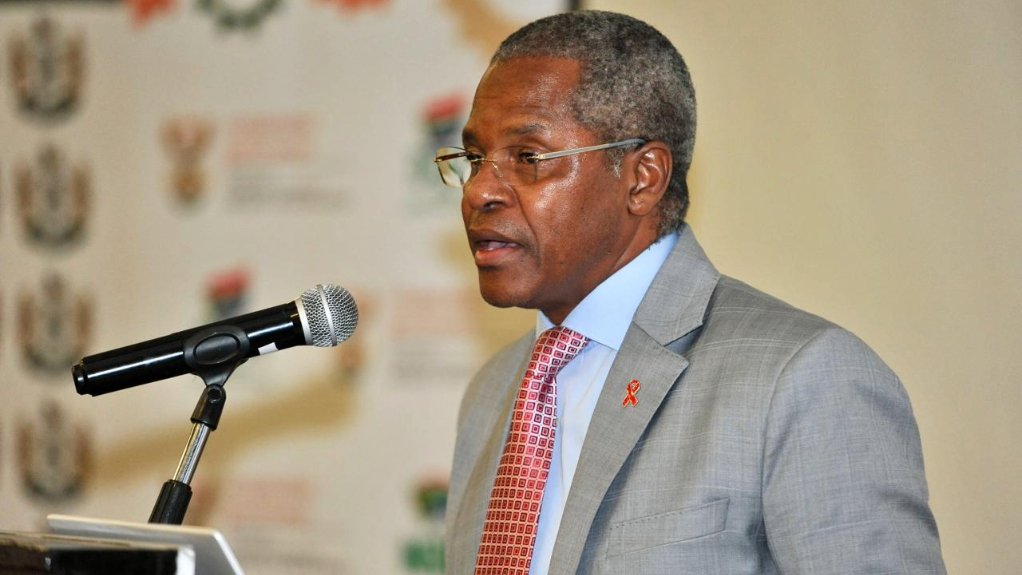
The announcement follows the official gazetting of the date by Minister of Cooperative Governance and Traditional Affairs Velenkosini Hlabisa, signalling the formal closure of the voters' roll and the start of the election period.
The proclamation fulfils Hlabisa’s responsibility under Section 159 of the Constitution, read alongside the Municipal Structures Act.
This legislation mandates that local government elections must take place within 90 days of the end of a five-year municipal term.
With the date now legally locked in, the Independent Electoral Commission of South Africa (IEC) has officially closed voter registration.
Earlier this week, the IEC said following the gazetting, it will spend the coming weeks managing logistics, verifying candidate lists, and providing regular public updates on the road to the voting stations.
Hlabisa expressed his gratitude to citizens who actively registered during the IEC's final voter registration weekend.
He urged all South Africans to maintain a peaceful, free, fair, and credible election environment.
"I urge all South Africans, especially women, youth, persons with disabilities, and people in rural areas under different traditional authorities, to go out and strengthen our democracy by voting," Hlabisa stated.
ACTIONSA SETS SIGHT ON ‘BROKEN MUNICIPALITIES’
ActionSA National Chairperson Michael Beaumont declared his party’s operational readiness to contest the elections, aiming to target what the party describes as South Africa's "broken municipalities."
Beaumont revealed that ActionSA has radically transformed its electoral strategy since the 2021 municipal elections, moving from a regional player to a “formidable national contender”.
ActionSA will contest just under 60 municipalities and over 2 000 wards this year, a staggering increase from the six municipalities it contested in 2021.
Following organisational growth after the 2024 National and Provincial Elections, the party has expanded its footprint deep into municipalities outside its traditional stronghold of Gauteng.
Beaumont highlighted that candidates were chosen through direct branch consultations to ensure local representation.
"These are not candidates who have never stepped foot in the wards they seek to lead," Beaumont emphasised. "Local problems require local solutions, championed by local leaders."
EMAIL THIS ARTICLE SAVE THIS ARTICLE ARTICLE ENQUIRY FEEDBACK
To subscribe email subscriptions@creamermedia.co.za or click here
To advertise email advertising@creamermedia.co.za or click here


