





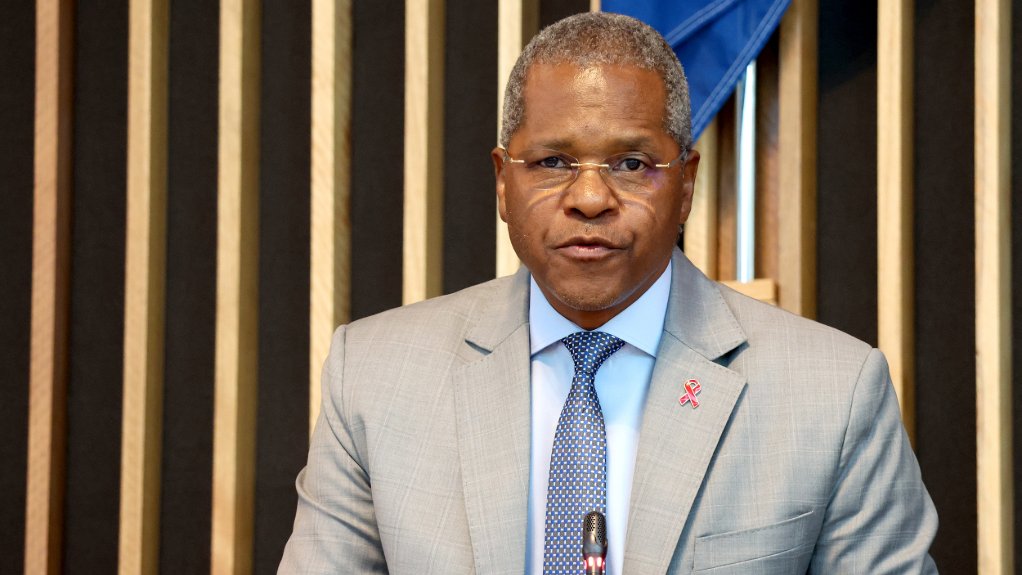
Cooperative Governance and Traditional Affairs Minister Velenkosini Hlabisa on Friday pointed to an urgent need to strengthen the intergovernmental coordination that underscores political, institutional, management, administrative, and governance collaboration.
Speaking in Boksburg during an engagement session with mayors of metropolitan municipalities, he said municipalities across the country were facing systemic governance, fiscal, and institutional pressures that severely hindered their ability to serve communities effectively.
He noted that political instability in some of metros impacted negatively on the ability of municipalities to effectively govern and provide service delivery.
He added that “poor decision-making and a lack of accountability”, compounded by declining revenue and low municipal collection rates, left many areas financially strained.
Hlabisa highlighted that metros housed 62% of the nation’s population and generated over two-thirds of GDP, and, therefore, noted their critical role in the country's economic stability and social well-being.
He said organisational inefficiencies and ageing infrastructure created significant barriers to delivering essential services, while rapid urbanisation heightened demand for these services, which he said resulted in community dissatisfaction and protests.
“… many municipalities struggle to comply with their constitutional and legislative obligations, eroding public trust and emphasising the necessity for enhanced governance and accountability mechanisms,” he explained.
These issues are not isolated but are interconnected, he said.
“A lapse in governance and inefficiencies in service delivery feed into a broader narrative of declining trust and social unrest. The protests we see are a direct result of this systemic failure, underscoring the urgent need for transformative change in our local government structures,” he stressed.
He believes through intergovernmental relations and fostering partnerships, government can revitalise the governance framework.
He pointed to the development of more robust partnerships between the Cooperative Governance and Traditional Affairs Department and metropolitan leadership, which he expects will improve service delivery and governance across metros.
Meanwhile, ahead of the upcoming local government elections, Hlabisa said strengthened governance systems would ensure transparent processes and maintain public trust in local government institutions.
Last week, the Electoral Commission of South Africa announced that discussions with Hlabisa for an election date were at an advanced stage, and assured the public that a date would be proclaimed after the registration weekend of June 20 and 21.
The municipal council term expires on November 1 and the general elections would fall between November 2 and the end of January 2027.
EMAIL THIS ARTICLE SAVE THIS ARTICLE ARTICLE ENQUIRY FEEDBACK
To subscribe email subscriptions@creamermedia.co.za or click here
To advertise email advertising@creamermedia.co.za or click here


