



https://www.polity.org.za
Deepening Democracy through Access to Information
Home / Recommendations RSS ← Back
Close

Email this article

separate emails by commas, maximum limit of 4 addresses

Sponsored by

Close

Article Enquiry

The Knysna Fires Of 2017: Learning From This Disaster


Close

The Knysna Fires Of 2017: Learning From This Disaster

Should you have feedback on this article, please complete the fields below.

Please indicate if your feedback is in the form of a letter to the editor that you wish to have published. If so, please be aware that we require that you keep your feedback to below 300 words and we will consider its publication online or in Creamer Media’s print publications, at Creamer Media’s discretion.

We also welcome factual corrections and tip-offs and will protect the identity of our sources, please indicate if this is your wish in your feedback below.


Close

Embed Video

The Knysna Fires Of 2017: Learning From This Disaster

The Knysna Fires Of 2017: Learning From This Disaster

7th June 2019

ARTICLE ENQUIRY      SAVE THIS ARTICLE      EMAIL THIS ARTICLE

Font size: -+

  • The Knysna Fires Of 2017: Learning From This Disaster
    Download
    3.91 MB
Sponsored by

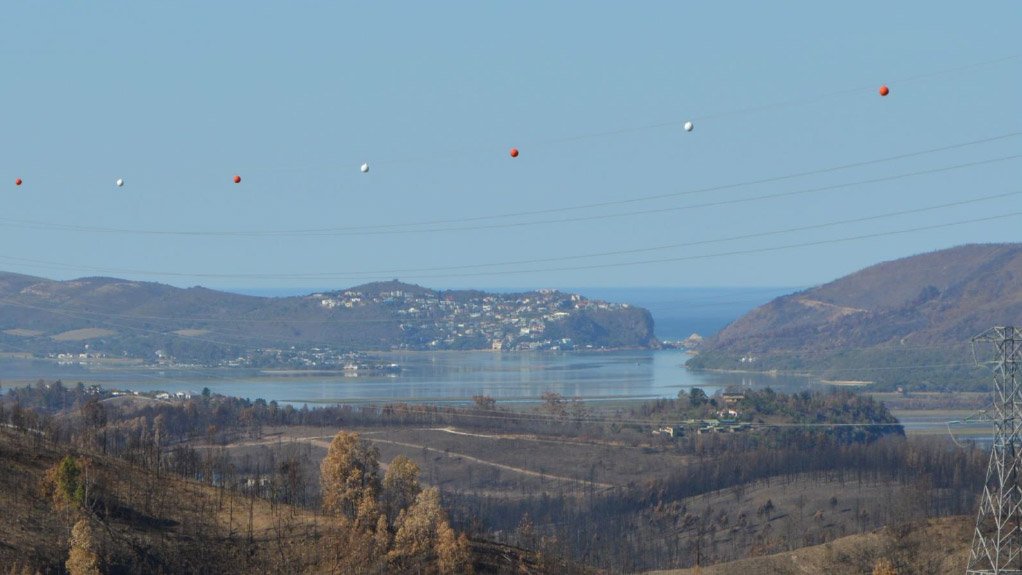
The Knysna fires were arguably the worst wildfire disaster in South Africa’s history. The social and economic impacts will be felt by Knysna and its inhabitants for years to come. It is critical that those responsible for fire management in rural and urban environments, as well as citizens, learn from this experience and become far better prepared to deal with wildfires in the future. Wildfires will continue to occur but there is a lot that can and must be done to avoid further disasters of this magnitude.

The Knysna fires were a perfect storm. A range of meteorological, bio-physical and institutional factors came together to create the disaster. But the underlying risk drivers are replicated throughout the Western Cape, and in other provinces, creating the potential for similar wildfires elsewhere - as evidenced by extensive wildfires in Hessequa, Mossel Bay, George and Knysna Municipalities in November 2018 and the Overberg in January 2019. The purpose of this report is to identify the lessons and how they can be applied to reduce risk and strengthen preparedness for future fires when they occur. The focus is on the Knysna Fires, but the findings are applicable to the Southern Cape and to many other places in South Africa that experience wildfires in their natural vegetation (CSIR 2019).

Advertisement

These lessons need to be shared with key decision-makers and stakeholder groups so that they can address the factors that have led to the current situation. The Knysna Fires Learning Forum, convened by Santam, is one way of facilitating information-sharing, fruitful discussions and plans and actions aimed at translating the lessons learnt through these fires into more effective management of fire risk. Hopefully this study will give birth to more fire learning forums.

Report by Santam, the University of Stellenbosch and CSIR

Advertisement

EMAIL THIS ARTICLE      SAVE THIS ARTICLE      ARTICLE ENQUIRY      FEEDBACK

To subscribe email subscriptions@creamermedia.co.za or click here
To advertise email advertising@creamermedia.co.za or click here


About

Polity.org.za is a product of Creamer Media.
www.creamermedia.co.za

Other Creamer Media Products include:
Engineering News
Mining Weekly
Research Channel Africa

Read more

Subscriptions

We offer a variety of subscriptions to our Magazine, Website, PDF Reports and our photo library.

Subscriptions are available via the Creamer Media Store.

View store

Advertise

Advertising on Polity.org.za is an effective way to build and consolidate a company's profile among clients and prospective clients. Email advertising@creamermedia.co.za

View options

Email Registration Success

Thank you, you have successfully subscribed to one or more of Creamer Media’s email newsletters. You should start receiving the email newsletters in due course.

Our email newsletters may land in your junk or spam folder. To prevent this, kindly add newsletters@creamermedia.co.za to your address book or safe sender list. If you experience any issues with the receipt of our email newsletters, please email subscriptions@creamermedia.co.za