





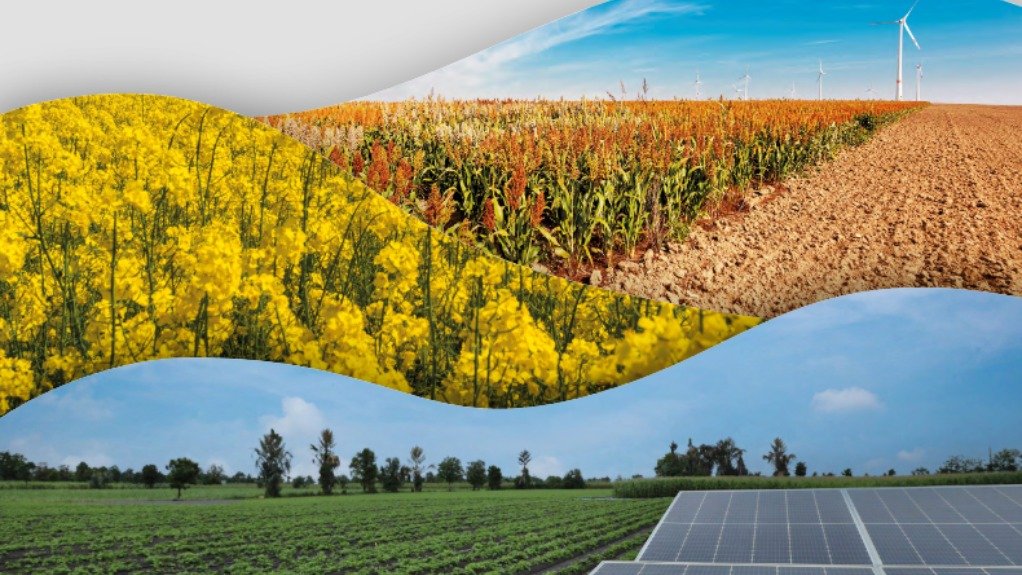
- The GEAR Framework: Measuring how renewable energy boosts climate resilience in agriculture5.10 MB
The GEAR (Growth through Energy Agriculture and Resilience) Framework, developed jointly by the International Renewable Energy Agency (IRENA) and the International Institute for Environment and Development (IIED), provides an integrated, practical tool for measuring climate resilience enabled by decentralised renewable energy (DRE) in agriculture. Designed for programme implementers, donors and climate financiers, the framework bridges the historically siloed sectors of energy access, climate-smart agriculture and climate adaptation, establishing a systematic evidence base for 'what works, for whom, under what circumstances, and why'. By replacing simple connection targets with a holistic view of how DRE powers livelihoods, the framework enables energy actors to articulate adaptation co-benefits to climate financiers.
At the heart of the framework is a four-step iterative methodology (Co-Understand, Co-Design, Co-Deliver and Co-Monitor, and Co-Learn) with a "people-first" design philosophy that positions smallholder farmers and communities as active co-creators rather than passive beneficiaries. The framework measures resilience through three interconnected capacities (adaptive, anticipatory, and absorptive), supplemented by indicators for women's empowerment, general resilience and subjective resilience. Its 'people-first' design philosophy prioritises equity and gender inclusion to prevent maladaptation, ensuring interventions strengthen rather than inadvertently worsen the vulnerabilities of agricultural communities. The framework advocates for screening potential "deal-breakers" early in the design phase and ensuring that interventions reduce, rather than reinforce, vulnerabilities.
As development finance becomes increasingly scarce, the GEAR framework helps energy actors translate DRE investments into the language of climate adaptation outcomes, unlocking access to climate finance. The report includes a practical measurement toolkit with indicator menus aligned to the resilience outcomes, guidance on integrating gender-responsive design, and recommendations for future work including piloting with communities to design or evaluate energy interventions in agriculture, simplifying for diverse users, and expanding to other sectors beyond agriculture.
Report by the International Renewable Energy Agency
EMAIL THIS ARTICLE SAVE THIS ARTICLE ARTICLE ENQUIRY FEEDBACK
To subscribe email subscriptions@creamermedia.co.za or click here
To advertise email advertising@creamermedia.co.za or click here


