






There are emerging signs that South Africa’s structural reforms are slowly improving the country’s investment potential.
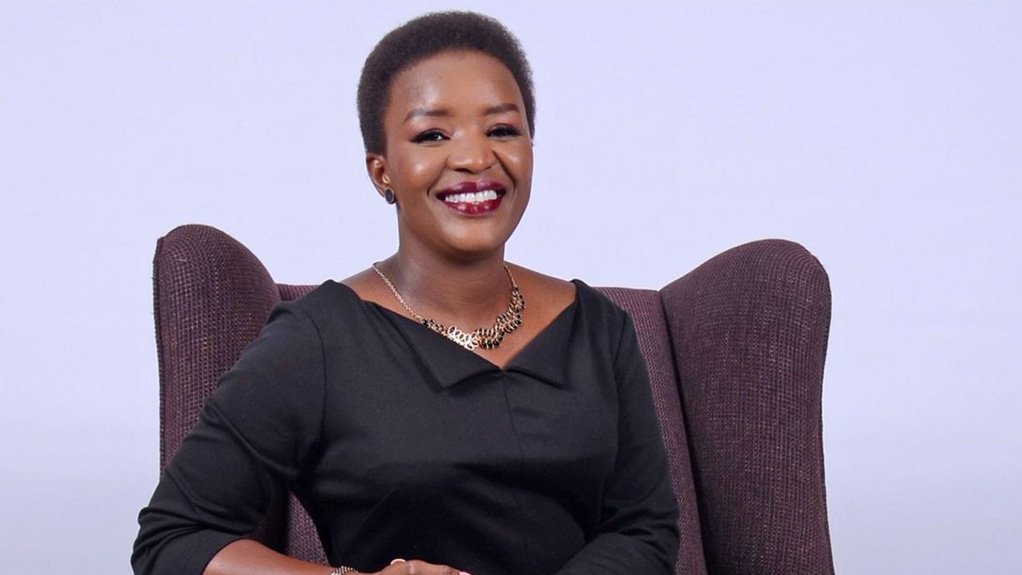
In her weekly newsletter titled 'Three good news signals, one unfinished task: unlocking investment', business organisation Business Leadership South Africa (BLSA) CEO Busi Mavuso highlights that the 0.5% GDP growth, Fitch ratings upgrade, and the Port of Durban’s recognition as the world most improved port by international financial organisation the World Bank all reflect successful structural reform efforts and point to a stabilising fiscal outlook following years of decline.
However, she also stresses that urgent criminal justice reform is critical to maintaining investor confidence, especially on the eve of the financial action task force (FATF) reevaluation, which is expected to conclude in October 2027.
Mavuso says that these positive signals have been reflected in the relatively good performance of the rand and the country’s investment markets, with both bonds and equities remaining largely unchanged despite the global turmoil driven by conflict in the Middle East.
She also notes the challenge of structural reforms taking time to shift investment decisions across the economy and says more momentum is required to keep improving the country’s investment outlook.
“In 2023, when we had 300 days of loadshedding, no sensible investor was going to greenlight a major new factory or construction project. Even though we have now been over a year without loadshedding and logistics are becoming more reliable, investment figures in last week’s GDP report remain very weak at 13.5% of GDP – far short of the 30% we need to turn South Africa into a construction site,” Mavuso explains.
She adds that investors need sustained evidence that the current reforms are durable and points to the need to provide policy certainty in areas such as procurement and broad-based black economic empowerment.
Further, despite a growth rate of 0.5%, Mavuso highlights that this figure pales in comparison with the growth figures of the country’s sub-Saharan neighbours. International financial institution the International Monetary Fund expects sub-Saharan growth to increase by 4.3% this year, with Botswana and Zimbabwe growing close to 5% and Ethiopia at 9.2%.
On criminal justice, Mavuso says that the Madlanga Commission of Inquiry exposes the extent to which criminal networks and syndicates have deeply infiltrated the highest levels of the South African Police Service. She also questions whether there is enough political will to implement the Commission’s recommendations fully and with the urgency they require.
“It took a remarkable effort to get South Africa off the FATF grey list earlier this year. Being on that list added extensive frictions to our engagement with the global financial system, raising transaction costs and deterring investors who need clean counterparties.
“The FATF is now evaluating us again, with an updated report due to its plenary in October 2027. The revelations coming out of the Madlanga Commission – corruption deeply embedded at the top of our police service – are exactly the kind of evidence FATF assessors will examine. If we backslide, we risk returning to the grey list, which would directly undermine the investor confidence we are working so hard to build,” Mavuso concludes.
EMAIL THIS ARTICLE SAVE THIS ARTICLE ARTICLE ENQUIRY FEEDBACK
To subscribe email subscriptions@creamermedia.co.za or click here
To advertise email advertising@creamermedia.co.za or click here


