






 South Africa has made strides in
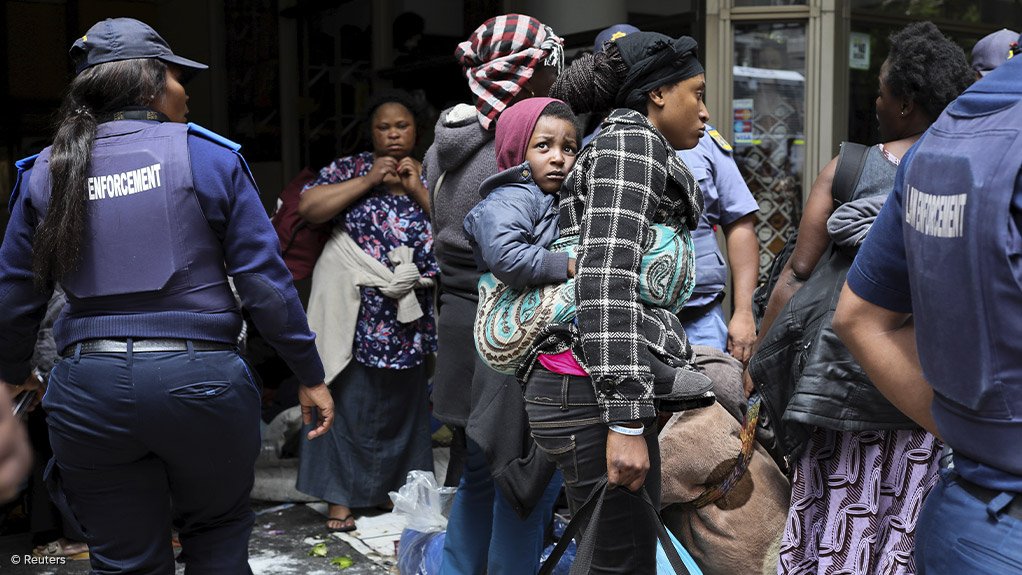
 Acceptance of immigrants as neighbours in the neighbourhoods where they live and work is, however, not a given. Suspicion and tensions between locals and immigrants remain common. Evidence of this was the sharp surge in xenophobic violence and anti-immigrant protests in mid-2026.
I am an African art historian. My research focuses on issues of representation and re-representation of history in museums and public spaces. It also extends to issues of migration and social integration in South Africa.
In a recent study, I assessed residents’ levels of satisfaction with their neighbours and neighbourhoods. My research involved collecting data through dialogues conducted in three areas with a high concentration of South Africans and immigrants living and working together.
My research has been published as a chapter in a book which covers subjects like social integration and the political economy of xenophobia.
I conducted my research in two established urban areas: Arcadia in Pretoria and Yeoville in Johannesburg. The third was an informal area called Plastic City, in Pretoria East. The focus was on people’s attitudes towards one another as well as safety, trust, social problems, and access to local government basic services.
Each dialogue consisted of 30 participants, including community leaders, local South Africans, immigrants and representatives of community organisations.
The study found that mutual suspicion and prejudice continue to undermine neighbourhood relations between South Africans and African immigrants.
Based on our findings we made four recommendations to ease tensions within communities:
-
ensuring that immigrants are documented
-
campaigns to raise awareness about the benefits of living and working together
-
know-your-neighbour campaigns
-
efforts to improve people’s social security.
Attitudes
In each of the study sites, participants sat in a group and shared their thoughts about the issues raised during the dialogues.
Participants were asked to reflect on:
-
their relationship with local South Africans and immigrants as neighbours
-
the factors facilitating social integration in host communities
-
the role of the government in facilitating social integration and social cohesion in communities.
Most of the local South African participants said their relationships with immigrants who were legally in the country and neighbourhood were good. However, their relationships with immigrants who were “illegal” was either bad or non-existent.
We did not ask participants how they knew people’s status as a migrant or non-migrant.
Participants noted that, regardless of the nature of the relationship between South Africans and their immigrant neighbours, the two groups lived in suspicion of each other because of prejudices they held about one another. As one participant put it:
Not all immigrants are bad … But it becomes difficult to determine if an immigrant is good or bad when he or she is undocumented. Such immigrants are automatically considered as criminals no matter what effort they put to prove their innocence.
Most immigrant participants felt that local South Africans targeted them because they saw them as criminals. They said this was why there was no trust between the two groups. As one of the participants noted:
I don’t trust my South African neighbours because of the impression most of them have about us. My two neighbours are South Africans, but we don’t know each other as Africans would normally do towards a fellow African. They speak their local language to me whenever we meet – even though they know that I am a foreigner and don’t understand … Once they realise that you are a foreigner, you become an easy target.
Other works, similarly, found that in the Delft South area in Cape Town, only those immigrant shopkeepers with strong linkages or community support avoided crime.
Some participants said their status was questioned. For example, in the dialogue in Yeoville one noted that he was unexpectedly visited by three South African men who wanted to know if he had documents and if he owned the property he was living in. When he presented his documents, they left, promising to return to check that everyone living in the house was documented.
Suggested ways forward
The study highlighted the need to ensure effective social integration that allows South Africans and African immigrants to live comfortably as neighbours, without suspecting each other. This was echoed in the dialogues.
In Yeoville and Plastic City, the elected local government officials and some of the participants requested that dialogues should be organised frequently because they might contribute to social integration. Other works, however, note that some local government candidates run for office on an anti-immigrant ticket.
Based on our findings we made the following recommendations:
-
legal documentation of immigrants to ensure they can be traced and accounted for when the need arises
-
awareness creation by ward councillors through municipal and district gatherings about the benefits of living and working together, to address prejudices and suspicion
-
establishment of “know-your-neighbour” campaigns by ward councillors to promote living together as neighbours
-
promotion of social security and justice for South Africans and immigrants by law enforcement officials and other relevant stakeholders.
Written by Mathias Alubafi Fubah, Senior Research Specialist, Human Sciences Research Council
This article is republished from The Conversation under a Creative Commons license. Read the original article.


