





Government is hosting the second Bana Pele Leadership Summit in Gauteng this week, underscoring its commitment to expanding early childhood learning as a critical development priority and a vital tool to redress historical inequalities.
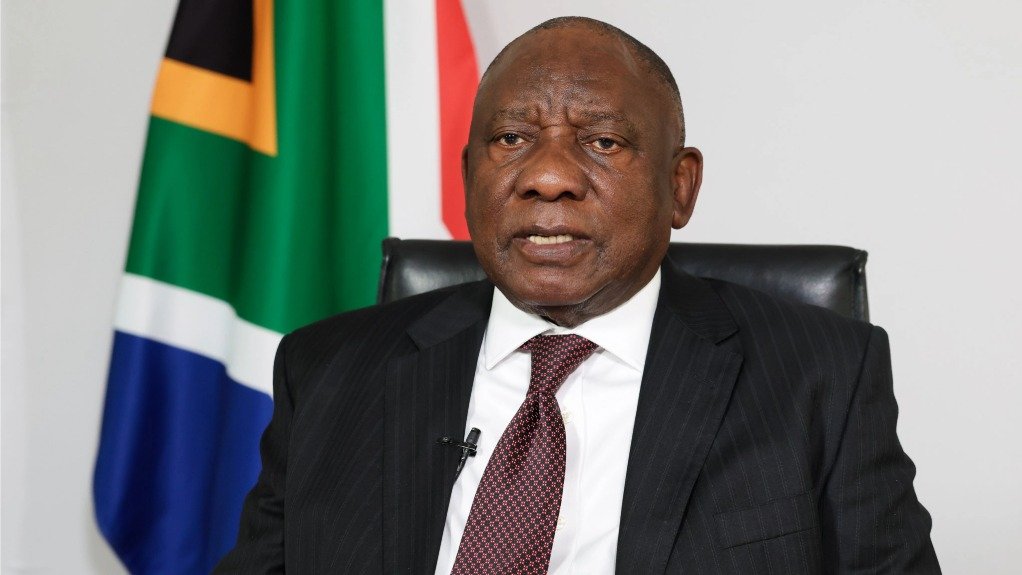
In his weekly letter to the nation, President Cyril Ramaphosa emphasised that Grade R is now officially compulsory in South Africa, meaning children must acquire essential foundational skills by the age of five.
Despite this policy, a staggering 1.3-million children aged three to five are currently not enrolled in any early learning programme.
Ramaphosa pointed out a sharp divide in educational access based on socioeconomic status.
"Most of these children live in poorer communities, where paying even a low fee for a child to attend an ECD [early childhood development] centre is a challenge. In contrast, children in better-resourced communities are far more likely to enter the foundation phase able to read for meaning and handle basic numeracy," he said.
The Bana Pele campaign, led by the Department of Basic Education (DBE), aims to dismantle these disparities. Ramaphosa reiterated that every child, regardless of the circumstances of their birth, deserves an equal opportunity to learn and grow.
Quality ECD shapes a child's cognitive, social, emotional, and behavioural growth, providing the bedrock for lifelong success.
The second Bana Pele Summit brings together a diverse coalition of stakeholders, including government officials, practitioners, communities, business leaders, funders, and civil society.
The summit will evaluate the country's progress toward a crucial milestone: ensuring all children between the ages of three and five have access to affordable, equitable, and quality early learning programmes by 2030.
HOW IT WILL WORK
To achieve this, the government has substantially increased its investment over the past two years by raising subsidies for ECD attendees and allocating resources for expansion.
The State aims to reach an additional 300 000 children by 2027 and a further 900 000 by 2030.
However, the President noted that funding alone cannot solve the “crisis” and said public resources must be directed to the communities that need them most.
Through the Bana Pele Mass Registration Drive, thousands of previously unregistered early learning providers are being brought into the national system.
This initiative provides the government with a clearer geographic mapping of early learning centres, allowing authorities to identify service gaps and deploy targeted support.
Ultimately, these early learning reforms are part of a broader strategy to renew South Africa’s socioeconomic architecture.
Because early learning intersects with education, public health, social protection, and employment, its long-term benefits will ripple across the entire economy, Ramaphosa stressed.
EMAIL THIS ARTICLE SAVE THIS ARTICLE ARTICLE ENQUIRY FEEDBACK
To subscribe email subscriptions@creamermedia.co.za or click here
To advertise email advertising@creamermedia.co.za or click here


