





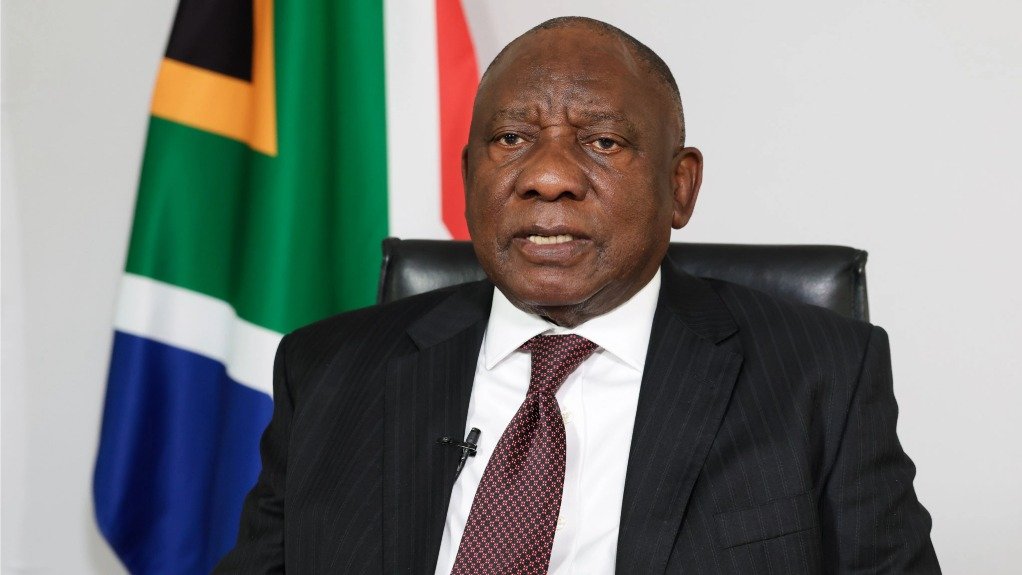
President Cyril Ramaphosa has credited the post-State capture recovery of the South African Revenue Service (SARS) with driving improved tax collection rates, which in turn are funding critical social and developmental programmes across the country.
Writing in his weekly newsletter to the nation, Ramaphosa emphasised that the turnaround at SARS is injecting fresh momentum into public finances following the presentation of the Medium-Term Budget Policy Statement (MTBPS) by Finance Minister Enoch Godongwana.
According to the President, the country’s improving fiscal health gives concrete evidence that South Africa is moving in the right direction.
Ramaphosa detailed how the recovered revenue is being directly channelled into public infrastructure and social development, highlighting that around 60% of non-interest spending is dedicated to the social wage, supporting health, education, and services for low-income households.
This includes providing free basic services to over 11-million households, funding school meals, and distributing grants to more than 18-million beneficiaries.
The President explained that government is allocating additional funds to fight gender-based violence and femicide. This targeted funding will hire over 3 500 new social workers and improve the investigative and forensic capacity for successful prosecutions.
Acknowledging the financial pressure on citizens, Ramaphosa highlighted the temporary reduction in the fuel levy as a direct measure to provide household relief.
Infrastructure remains the fastest-growing item in the national budget and Ramaphosa noted that new mechanisms are being introduced to attract more private sector co-investment to spur inclusive economic growth and job creation.
A key component of the country's improved fiscal outlook is a fundamental shift in how public funds are managed.
The President explained that government is moving away from indiscriminate departmental budget cuts, opting instead for targeted, efficiency-driven savings.
Through the rationalisation of low-priority or underperforming programmes, the State has already identified more than R11-billion in medium-term savings.
Furthermore, a strict review of the Infrastructure Conditional Grant is underway to investigate why provinces and municipalities routinely underspend, delay projects, or deliver substandard work.
"Our aim is not to spend less but to spend smarter," Ramaphosa noted, stressing that fixing the nation's finances requires making sure every single rand is spent honestly and effectively.
While the latest MTBPS signals stability and builds investor confidence, Ramaphosa cautioned against complacency.
He acknowledged that the structural benefits of this financial turnaround have not yet reached many South Africans who continue to battle exceptionally high unemployment, a rising cost of living, and poor municipal service delivery.
"We shouldn't mistake financial stability for the end of the road," Ramaphosa said.
He stated that the ultimate measure of success is not just a healthier balance sheet for government but turning that “hard-won stability” into tangible economic opportunities.
EMAIL THIS ARTICLE SAVE THIS ARTICLE ARTICLE ENQUIRY FEEDBACK
To subscribe email subscriptions@creamermedia.co.za or click here
To advertise email advertising@creamermedia.co.za or click here


