





South Africa is reeling from an unprecedented weekend of trauma as horrific mass shootings across the country have left at least 27 people dead and dozens more injured in targeted tavern attacks.
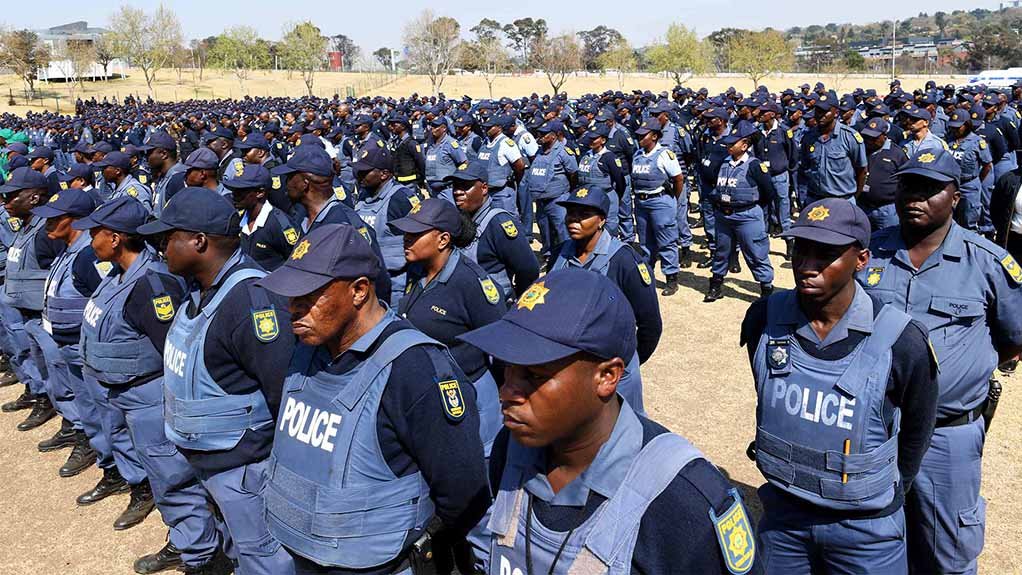
The staggering carnage has sparked fierce national social and political outrage, putting intense pressure on government and the South African Police Service (SAPS) to deploy maximum resources and halt the rising tide of township violence.
The deadliest assault occurred on Saturday night in Extension 3, in Wedela, near Carletonville on the West Rand when eight unidentified gunmen, reportedly armed with high-calibre AK-47 rifles and pistols, stormed a local tavern. The attackers opened fire on patrons inside and outside the establishment, set vehicles alight, and robbed survivors before fleeing.
The carnage resulted in the deaths of 17 people – 13 men and four women – while 15 others were left wounded. Police have since confirmed a manhunt is actively underway, though the motive remains entirely unknown and no arrests have been announced.
The ANC in Gauteng expressed “profound shock and sadness” over the massacre, labelling it a "heinous crime".
In a statement, the party stressed the urgent need to scale up intelligence-led policing, particularly in areas highly impacted by violent crime.
"The use of high-powered firearms in this attack highlights the grave danger posed by the proliferation of illegal firearms in our communities," the ANC Gauteng stated, calling for immediate operations to disrupt criminal supply networks and remove illegal weapons from the streets.
DA Merafong mayoral candidate Carlos Rebelo extended condolences to the affected families and questioned how such a heavily armed group could execute an attack of this magnitude without detection.
"Our responsibility cannot end with expressing condolences," Rebelo said, demanding transparency regarding the resources being deployed to bring the perpetrators before the law.
As the nation processed the shock of the Gauteng attack, a second attack unfolded in the early hours of Sunday morning in Lwandle, near Strand, in the Western Cape.
At about 01:46 AM, gunmen entered a local tavern and opened fire. Five victims died at the scene, and another five succumbed to their injuries at nearby medical facilities, bringing the death toll to 10, with 11 others wounded.
The Lwandle massacre occurred just hours after a separate shooting in Khayelitsha that claimed four lives, and barely five days after a mass shooting in KwaZulu-Natal’s KwaMakhutha township left 11 people dead.
Condemning the Lwandle massacre, ActionSA Cape Town mayoral candidate Dereleen James emphasised that these mass shootings are not isolated incidents but symptoms of deeper crises ravaging communities, including gangsterism, drugs, and extortion rings.
James advocated for a multi-departmental approach that goes beyond policing.
She called for the integration of SAPS with Social Development, Education, and Community Safety to address the underlying socioeconomic conditions feeding violent crime.
"Criminals must know that the State will pursue them and that there will be consequences for taking innocent lives," James asserted.
The South African Communist Party (SACP) joined the political voices calling for a relentless State response.
Aligning the crisis with its local government election manifesto, the SACP urged the working class to organise alongside law enforcement to build safer public spaces.
The party emphasised that protecting vulnerable rural and township communities requires accountable policing, robust public services, and targeted youth development to structurally dismantle organised criminal syndicates.
EMAIL THIS ARTICLE SAVE THIS ARTICLE ARTICLE ENQUIRY FEEDBACK
To subscribe email subscriptions@creamermedia.co.za or click here
To advertise email advertising@creamermedia.co.za or click here


