





Parliament must move beyond reactive measures and lead the charge in building robust governance systems, driving evidence-based policies, and leveraging parliamentary diplomacy to address the complex realities of continental migration.
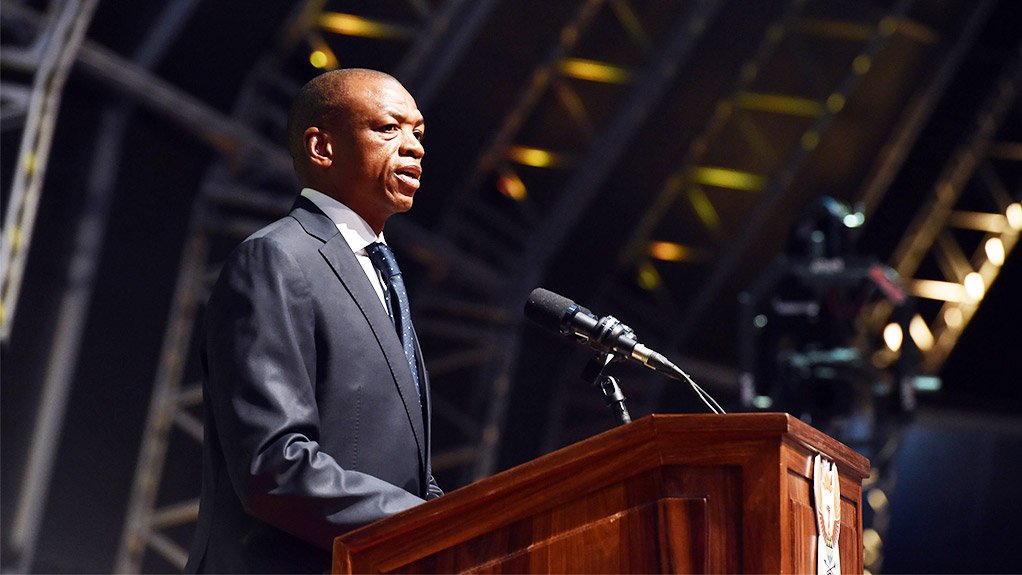
This according to Parliamentary Portfolio Committee on International Relations and Cooperation chairperson Supra Mahumapelo, following the conclusion of a multi-stakeholder workshop on migration governance and parliamentary diplomacy.
The workshop, hosted with the International Organisation for Migration and the Wits School of Governance, brought together lawmakers and experts to dissect shifting migration trends.
Participants firmly rejected isolated interventions, concluding that migration is a “multidimensional phenomenon” requiring deep coordination between government and civil society.
Mahumapelo stressed that the phenomenon is a permanent global and continental reality.
The State's responsibility lies in strengthening institutional and administrative systems, deepening regional and international cooperation, promoting social cohesion across host and migrant communities and addressing the fundamental socioeconomic root causes of displacement, he said.
The discussions identified labour mobility, economic disparities, and Africa's rapidly growing youth demographic as the primary drivers of migration across borders.
To counter irregular migration, the committee noted that African governments must urgently prioritise creating sustainable domestic economic opportunities.
By empowering young people within their own nations, countries can mitigate the economic pressures that force citizens to migrate, the discussions concluded.
Furthermore, the committee stressed that South Africa's management of migration must remain anchored within the framework of the Constitution, the rule of law, and its broader international human rights obligations.
A breakthrough at the workshop was the proposed expansion of legislative dialogue. Lawmakers agreed that unilateral policies are insufficient for shared border dynamics.
Mahumapelo revealed plans to scale up communication channels directly with neighbouring parliaments whose citizens are highly impacted by migration.
The long-term strategy involves elevating these bilateral talks to continental bodies such as the Pan-African Parliament to harmonise regional frameworks and support broader African integration.
To convert the workshop's insights into actionable governance, the committee outlined several urgent policy recommendations, urging for the overhauling of current migration laws to fit modern geopolitical realities, eliminating bureaucratic silos between State departments and upgrading municipal infrastructure to handle shifting populations.
Mahumapelo also called for the rolling out of initiatives to counter misinformation and xenophobia and to institutionalise regular forums to monitor policy progress.
He said Parliament has pledged to utilise its legislative and oversight powers to ensure these integration, development, and social cohesion targets are actively met.
EMAIL THIS ARTICLE SAVE THIS ARTICLE ARTICLE ENQUIRY FEEDBACK
To subscribe email subscriptions@creamermedia.co.za or click here
To advertise email advertising@creamermedia.co.za or click here


