





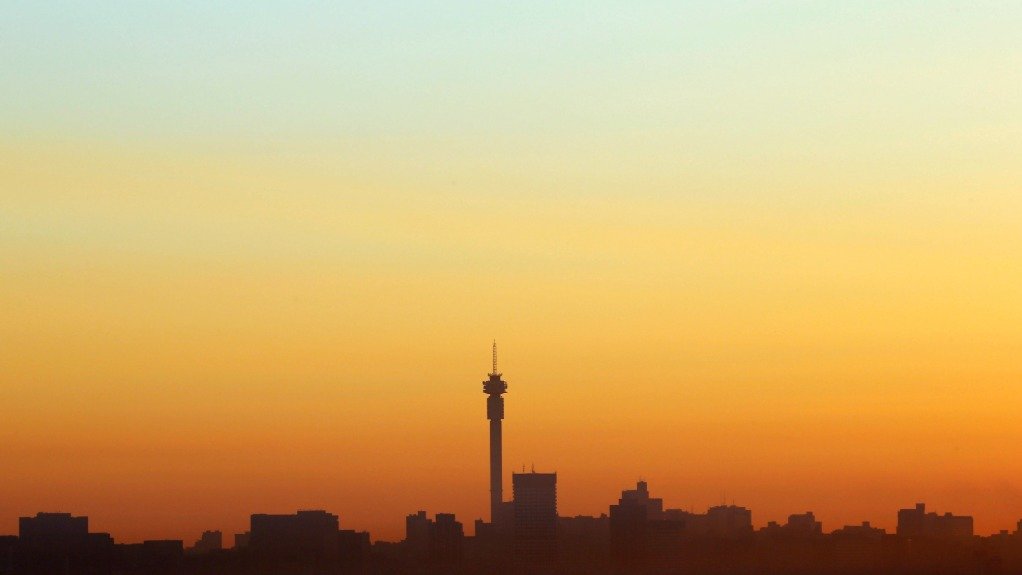

National Treasury is temporarily withholding the July equitable share transfers to 69 municipalities across all nine provinces in an effort to “instil fiscal discipline and ensure that public money is properly managed”.
Treasury says the goal is also to address unauthorised, irregular, fruitless and wasteful expenditure, and to ensure that municipal officials and office-bearers are held accountable for their management of public funding.
A local government equitable share is aimed at enabling municipalities to provide basic services (water, electricity, sanitation and refuse removal) to households, especially the poor. It is distributed as unconditional grants, which means municipalities may decide how to spend it within their array of functions.
Treasury says the decision to withhold the funding follows what it calls persistent and serious non-compliance with the Municipal Finance Management Act (MFMA) and its supporting regulations.
The municipalities involved are as follows, with the Free State in the lead, followed by North West.
In the Eastern Cape there are six municipalities: Buffalo City, Nelson Mandela Bay, Makana, Sundays River Valley, Inxuba Yethemba and Port St Johns.
In the Free State almost all of the municipalities – 16 – made the list: Mangaung, Letsemeng, Kopanong, Mohokare, Xhariep district municipality, Masilonyana, Tokologo, Matjhabeng, Nala, Dihlabeng, Nketoana, Maluti-a-Phofung, Phumelela, Mantsopa, Ngwathe and Mafube.
In Gauteng, cash-strapped Johannesburg now has one more problem to tackle. The list here includes six names: City of Johannesburg, Emfuleni, Lesedi, Sedibeng district municipality, Merafong City and Rand West City.
In KwaZulu-Natal the list includes seven municipalities: iMpendle, uMzinyathi district municipality, Newcastle, eMadlangeni, Amajuba district municipality, AbaQulusi and the uMkhanyakude district municipality.
In Limpopo there are five: Mopani district municipality, Musina, Thabazimbi, Modimolle-Mookgopong and Fetakgomo Tubatse.
In Mpumalanga the list includes Victor Khanye, Emakhazeni and Nkomazi, bringing the tally to three municipalities.
In Northern Cape the list includes 11 local councils, namely Kamiesberg, Khâi-Ma, Ubuntu, Umsobomvu, Emthanjeni, Renosterberg, Thembelihle, Siyathemba, !Kai !Garib, Magareng and Phokwane.
In the North West the list is almost as long as in the Free State, and includes 13 municipalities: Madibeng, Kgetlengrivier, Tswaing, Mafikeng, Ditsobotla, Ngaka Modiri Molema district municipality, Naledi, Mamusa, Dr Ruth Segomotsi, Mompati district municipality, City of Matlosana, Maquassi Hills and JB Marks.
In the Western Cape, there are three municipalities on National Treasury’s list, namely Theewaterskloof, Laingsburg and Beaufort West.
National Treasury says all of the municipalities on the list have been given sufficient notice in writing ahead of the withholding of funds.
They were also given a platform to send, in writing, reasons why their funds should not be withheld.
Treasury says the temporary withholding of funds is underwritten in terms of section 216(2) of the Constitution, read with section 38 of the Local Government: Municipal Finance Management Act 56 of 2003.
“It is important to note that this is a corrective rather than punitive measure. Because the withholding of the funds will be for a short-term period, [we do] not foresee any impact on service delivery,” Treasury says in a statement.
It adds that noncompliance with the MFMA is not only a dereliction of fiduciary duties by the political and administrative leadership of municipalities, but that it also threatens the financial sustainability of bulk suppliers, such as Eskom and the water boards.
“In addition, failure to pay third parties negatively impacts on the ability of statutory bodies to continue operating optimally. The statutory bodies referred to are the Auditor-General of South Africa, the South African Revenue Service, and the Financial Sector Conduct Authority,” notes Treasury.
“Consistently incurring unauthorised, irregular, fruitless and wasteful expenditure is also indicative of weak governance within municipalities, and, in instances where it is accompanied by financial losses, negatively impacts service delivery.”
National Treasury fund transfers will resume once the affected municipalities meet a number of required conditions.
These include, among many others, that the affected municipalities must submit to National Treasury a signed payment agreement with their creditors (bulk suppliers and/or third parties); and that the mayors of municipalities that allowed the tabling and adoption of unfunded adjustment budgets for 2025/26, must respond in writing to the Minister of Finance, committing that, with effect from 2026/27, they will never again allow their municipalities to table and adopt an unfunded budget.
EMAIL THIS ARTICLE SAVE THIS ARTICLE ARTICLE ENQUIRY FEEDBACK
To subscribe email subscriptions@creamermedia.co.za or click here
To advertise email advertising@creamermedia.co.za or click here


