





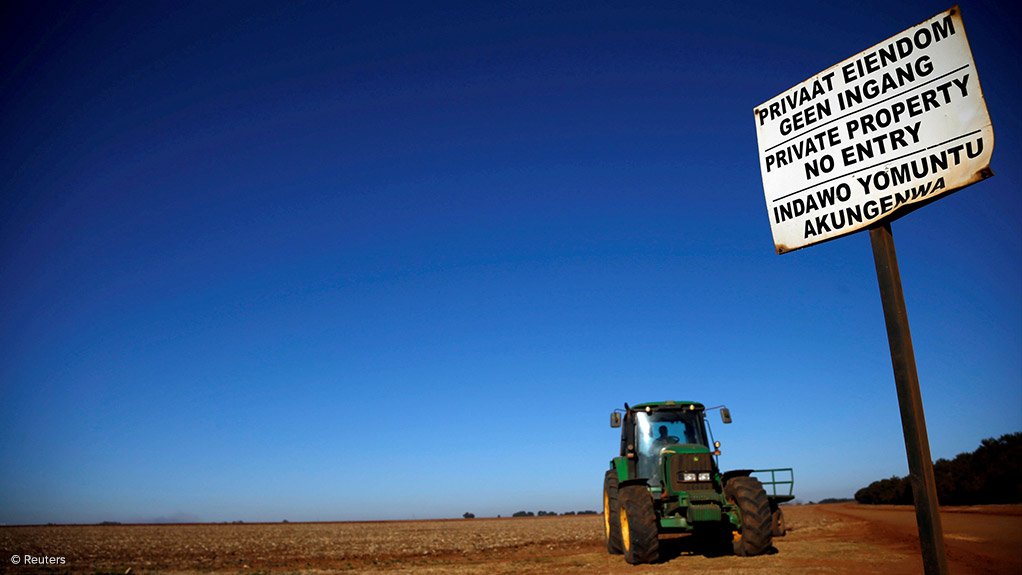
The uMkhonto weSizwe Party (MKP) will on May 27 officially introduce the Constitution Amendment Bill to the Portfolio Committee on Justice and Constitutional Development, which would allow restitution claims from as far back as 1652.
The Bill seeks to amend Section 25 of the Constitution to explicitly provide for the expropriation of land without compensation for purposes of land reform.
MKP national spokesperson Nhlamulo Ndhlela explained that the Bill declared land as the common heritage of all South Africans, to be held under the joint custodianship of the State and traditional leadership in the public interest.
He pointed out that the amendment would enable the full expropriation of land without any form of compensation, remove all references to compensation in Section 25, and extend the cutoff date for national restitution claims from June 19, 1913 to April 6, 1652.
“This will bring the 87% of land currently excluded into the restitution and redistribution process, addressing historical dispossession dating back to the arrival of colonialism,” he added.
As part of the party’s People’s Mandate, the Bill gives primary authority to African royalty and traditional leadership in land governance.
The party says this is essential to restoring the dignity and indigenous governance systems of the majority.
The Bill will also be referred to the National House of Traditional and Khoi-San leaders.
Ndhlela said that under the proposed framework, the State, in partnership with traditional leadership, would assume custodianship of land on behalf of the nation and grant secure, long-term leases that recognise traditional systems of inheritance and allocation under the guidance of traditional leaders and African royalty.
“These leases will be designed to be bankable and will provide citizens, farmers and businesses with the confidence to invest productively, while preventing speculation hoarding, and foreign ownership.
“The system will prioritise productive land use, safeguard food security, and provide targeted support to women, youth and rural communities,” he explained.
The MKP said it remained confident that this custodianship approach, rooted in African traditional governance, was both practical and workable.
The Bill also aims to accelerate equitable access to land to allow the majority of South Africans to participate in ownership, agriculture, and economic development. This, the party argued, would advance food security, alleviate poverty, and allow for broader socioeconomic transformation.
Ndhlela said it would consult with other parties committed to land reform, such as the African National Congress, Economic Freedom Fighters, Inkatha Freedom Party, African Transformation Movement, Pan Africanist Congress of Azania, United Africans Transformation, and the United Democratic Movement.
EMAIL THIS ARTICLE SAVE THIS ARTICLE ARTICLE ENQUIRY FEEDBACK
To subscribe email subscriptions@creamermedia.co.za or click here
To advertise email advertising@creamermedia.co.za or click here


