





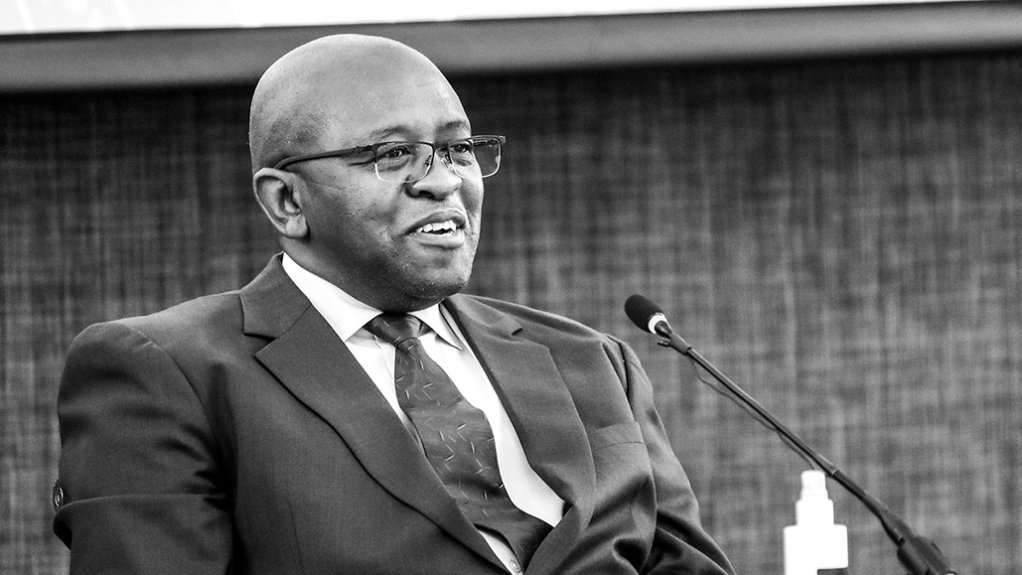

Justice Mbuyiseli Madlanga says there is a perception that wealthy South Africans are not "comfortable" with having their cases heard or adjudicated by black judges.
Madlanga was the first candidate to be interviewed for the Chief Justice position on Tuesday.
"The perception is that they do not have confidence in them, which is why those matters are taken from the judicial system and brought before private arbitration," Madlanga said during his interview.
He said should he be appointed he would hit the ground running and get to the bottom of those perceptions.
"I would want to look at that very perception and look at what needs to be done from our perspective as the judiciary. Is there, or what shortcomings are there? Yes, I do know that there are delays (in rendering judgments). I do know it takes a long time for cases to come to the stage of hearing and so on, but I would want to have a look at addressing the problems within our system," he said.
Madlanga also told the Judicial Service Commission (JSC), who was conducting the interviews, that a Chief Justice should lead from the front and not be a "super secretary-general".
During his interview, the judge, who appeared confident, told the JSC panel that while he was not familiar with the administrative functions of the Chief Justice, he would consult other heads of courts and the secretary of the departments responsible for court administration.
Should he be appointed, said Madlanga, he would also approach Justice Minister Ronald Lamola to ask for a constitutional amendment for the court to do away with its quorum of eight judges.
He questioned the fact that the minimum number of justices required to decide on a case was eight.
He said, "An even number just doesn't make sense to me."
Madlanga was asked to comment on the attacks levelled at the Constitutional Court over the long delays in rendering judgments and the quality of judgments.
According to the Deputy President of the Supreme Court of Appeal Xola Petse, who was chairing the interviews, the criticism included accusations that reasoning was "all over the place", rulings were incoherent, or judges used strong language.
Madlanga said he had prepared a long note on the delays. He said it would take him a long time to go through it but added that there had been a "sudden deluge of applications".
He said from 2013 there had been an increase in new cases. The following year, new cases increased by well over 200, and since 2015, new cases averaged well over 300 per year, he said.
"To somebody sitting here that may sound like a very small figure," he said, adding that based on the apex court's work, this was a very large number.
Last year, a decision was taken on what should be done to address the delays.
"In the second half of last year, a decision was taken by conference that we should revise our working procedure."
According to Madlanga, he and another judge were chosen to perform the task. He said they had produced a document and were in the process of finalising it.
Madlanga said one of the suggestions was that the court should do away with the "duty-week" system, and this meant they now distributed new applications evenly.
The interview continues.
EMAIL THIS ARTICLE SAVE THIS ARTICLE FEEDBACK
To subscribe email subscriptions@creamermedia.co.za or click here
To advertise email advertising@creamermedia.co.za or click here


