





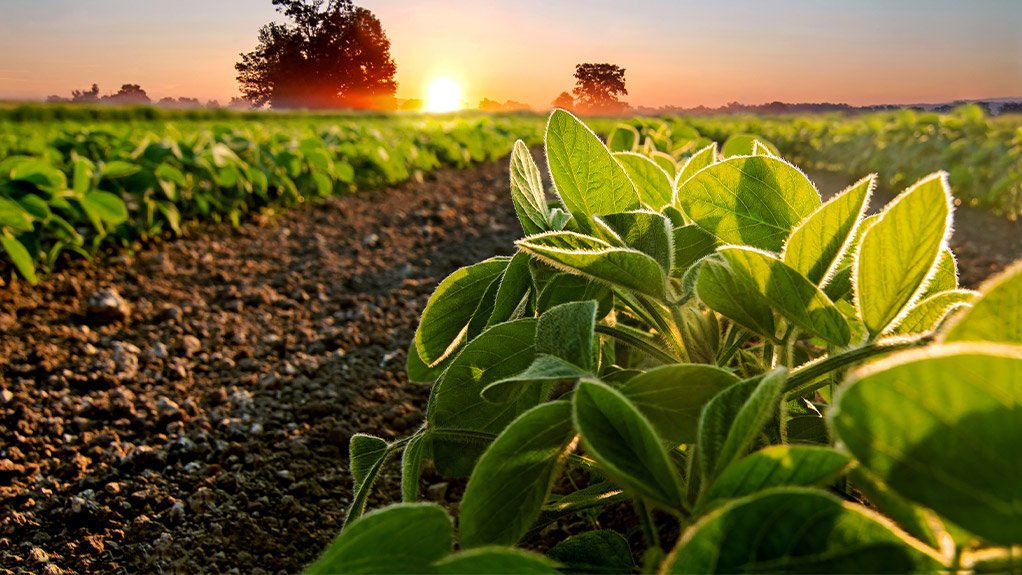
The representative body for South African agriculture, AgriSA, has strongly supported concerns expressed by its affiliated body, Grain SA, about the determination of soybean location differentials and the impact they would have on local agricultural producers. AgriSA desires transparent, fair, and actual market conditions-reflective agricultural commodity pricing mechanisms. (Grain SA represents more than 7 852 commercial and 5 891 emerging farmers, growing maize, wheat, soybeans, sunflowers, canola, sorghum, barley, groundnuts and other crops.)
“Grain SA represents a critically important part of South African agriculture,” highlighted AgriSA president Willem de Chavonnes Vrugt. “We support its efforts to ensure that farmers receive fair treatment and that decisions affecting producer prices properly reflect the practical and economic realities of agricultural production.”
Pricing mechanisms directly affect farmers’ profitability and their production risk-management capability, and so also impact long-term agricultural sustainability. Currently, local farmers are being subjected to significant financial pressure; input costs are increasing, as are financing costs, while commodity prices are subdued and profit margins continue to narrow. On top of all this, there is also climatic uncertainty, which includes the emerging El Niño effect, which could create hotter and drier conditions.
AgriSA desires the JSE to fully and constructively use its discretion and powers, as mandated by legislation, trading rules and the appropriate international market standards, to investigate options that will produce better outcomes for South African farmers. The agricultural body affirmed the need for urgent and constructive discussions between Grain SA, the JSE and other relevant stakeholders, to make certain that agricultural pricing arrangements are kept fair and credible, and meet the challenges facing South African farmers.
“Where lawful and commercially sound opportunities exist to strengthen farmers’ financial sustainability and competitiveness, we believe that should be actively explored,” he affirmed. "A strong and sustainable agricultural production sector is ultimately in the interests of the JSE, market participants, consumers and the broader South African economy.”
EMAIL THIS ARTICLE SAVE THIS ARTICLE ARTICLE ENQUIRY FEEDBACK
To subscribe email subscriptions@creamermedia.co.za or click here
To advertise email advertising@creamermedia.co.za or click here


