





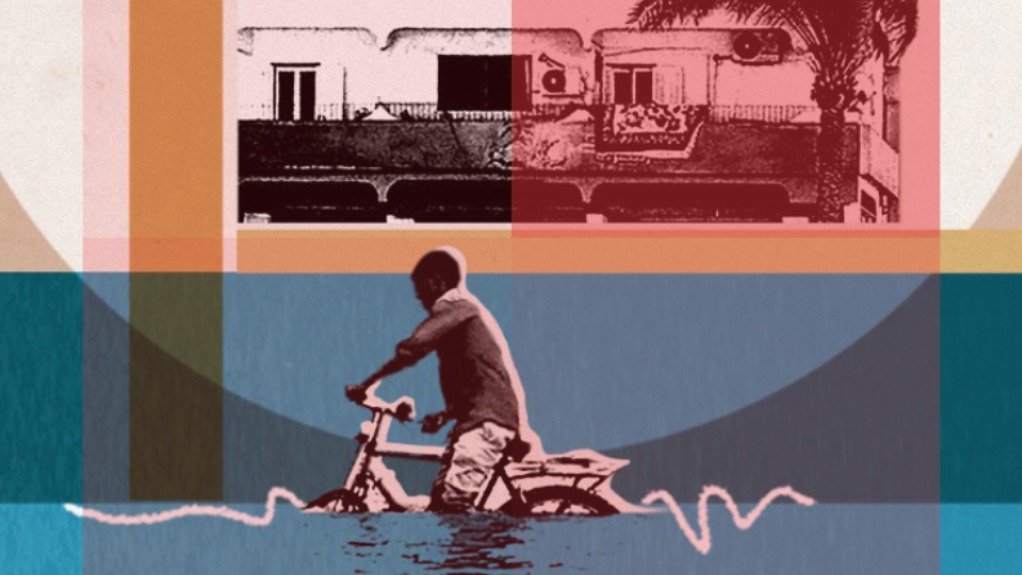
- Extreme and erratic weather: climate adaptation in urban displacement0.67 MB
Extreme and erratic weather events, many of which are increasing in frequency and intensity due to climate change, have long been seen as both a current and future driver of displacement – displacement that is more likely to be internal than across borders, and more likely to be towards urban areas.
Few cities are ready for the compounding pressures of climate risks and growing populations of displaced people. Weak institutions, fragile social structures and active or potential violent conflict further limit the ability of households and communities to cope and adapt to a changing climate.
Finding ways to help people build resilience to a worsening climate is critical – both to reduce the number of people who need aid now and the number of people who need aid following shocks in the future. The urgency is emphasised by reduced humanitarian funding, as any actions now must lead to future dividends of less humanitarian need, but also because good climate adaptation programming can deliver immediate and long-term benefits across sectors, allowing for a bigger impact with fewer inputs.
Report by the Overseas Development Institute
EMAIL THIS ARTICLE SAVE THIS ARTICLE ARTICLE ENQUIRY FEEDBACK
To subscribe email subscriptions@creamermedia.co.za or click here
To advertise email advertising@creamermedia.co.za or click here


