





The content on this page is not written by Polity.org.za, but is supplied by third parties. This content does not constitute news reporting by Polity.org.za.
Today, the Democratic Alliance (DA) in Gauteng voted against the 2026/2027 budget for all provincial departments. Even with billions of rand at its disposal, the budget fails to address the pressing issues in Gauteng, including crime, collapsing infrastructure, unemployment, failing healthcare, and overall poor service delivery.
Throughout the Budget Vote debates, the DA exposed the critical gaps in this budget and presented practical solutions to address them. We made it clear that residents are tired of recycled empty promises by the Premier Panyaza Lesufi-led government. They want services and want them now.
• Office of the Premier: The Premier’s office is failing in its duty to ensure that all provincial departments are delivering on their mandate. Members of his Executive are not held to account for the poor performance of their departments.
• Infrastructure Development: The maintenance and construction of new infrastructure in the province remain a challenge. The Gauteng Department of Infrastructure Development continuously fails to complete projects on time and within budget.
• Education: Schools face electricity disconnections, maintenance backlogs, and a 64% cut in operational funding for Quintile 5 public schools, while administrative spending continues to grow, proving that this budget prioritises bureaucracy over learners.
• Community Safety: Gauteng police lack adequate resources to keep residents safe. Gauteng is the hijacking capital of the country.
• Human Settlements: The department’s budget has been decreased by more than R631 million. This indicates that the department won't be able to fulfil its mandate to provide dignified housing to residents.
• Economic Development: There are currently over 2.6 million unemployed residents in Gauteng. The department has programmes and entities in place that are meant to create job opportunities but fail to do so.
• Health: Persistent instability in senior management, irregular appointments, and poor project management have contributed to crises such as long surgery backlogs, cancer treatment delays, and failing hospital infrastructure.
• Agriculture and Rural Development: The department consistently fails to provide adequate support to emerging farmers, particularly during disasters such as Foot and Mouth Disease (FMD).
• Social Development: The most vulnerable individuals in our society, such as the elderly, people with disabilities, and children, have not been put first. The government claims that it is doing everything it can to protect them, but the budget for this department paints a different picture.
• Sport, Arts, Culture and Recreation: Funding for libraries, cultural affairs, and community programmes has been reduced. As a result, our residents, especially schoolchildren, will struggle to access resources at our libraries.
• Cooperative Governance and Traditional Affairs: Service delivery across all municipalities except Midvaal has collapsed, yet this department is failing to assist municipalities with unfunded mandates.
• Environment: Residents are exposed to poor air quality daily, and our rivers are being polluted with raw sewage daily. This puts their health at risk, yet the department fails to intervene.
• Transport: A reliable transport system is the backbone of the economy. The department claims that it is committed to ensuring that an integrated transport plan is implemented. However, residents are still not guaranteed a reliable and safe public transport system.
• e-Government: This department is meant to help connect residents to government services; however, year after year, they fail to deliver on its mandate. Schools and libraries are not connected to the Gauteng Broadband Network (GBN). Furthermore, the department should focus on utilising technology to identify children at risk, assist in managing patient files at hospitals, and identify revenue leakages.
The issues we have raised during the debates on the budget for the 2026/2027 financial year have been echoed by other political parties in the house. Residents are not interested in how much money a department has been allocated. They may not read the budget documents, but they understand that the government has a responsibility to ensure effective service delivery.
Instead of doing what is right and voting against this budget, the parties in the Gauteng Provincial Legislature (GPL) have decided to vote for the budget to safeguard their salaries and positions in the GPL and the Executive. They chose to preserve the status quo rather than stand up for the people they were elected to serve.
Residents do not want a government that does a tick-box exercise year after year. They want to be provided with dignified housing. They want their children to have access to schools that are conveniently located near their homes. They want to be able to go to state-owned hospitals and know that they will receive the same care they would get from private healthcare. They want to feel safe and, most of all, they want jobs.
The DA Gauteng has a plan that puts residents first. We will grow the economy and partner with the private sector to create jobs. We will also restore quality healthcare, tackle the housing backlog, rebuild failing infrastructure, strengthen community safety, and eliminate the corruption that robs Gauteng residents of opportunities and essential services.
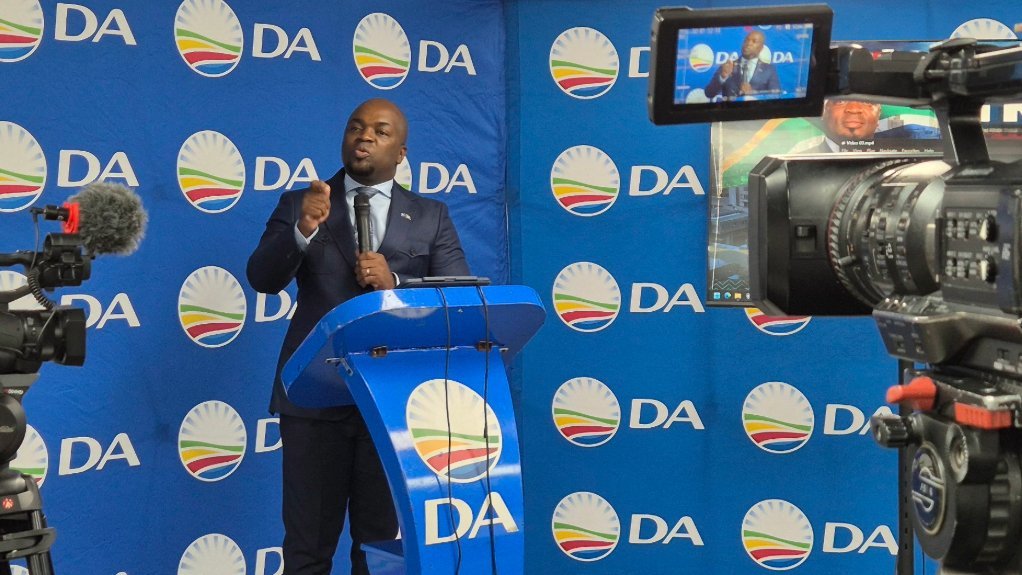
Issued by Solly Msimanga MPL - Leader of the Official Opposition- Gauteng
EMAIL THIS ARTICLE SAVE THIS ARTICLE ARTICLE ENQUIRY FEEDBACK
To subscribe email subscriptions@creamermedia.co.za or click here
To advertise email advertising@creamermedia.co.za or click here


