






The content on this page is not written by Polity.org.za, but is supplied by third parties. This content does not constitute news reporting by Polity.org.za.
The Portfolio Committee on Cooperative Governance and Traditional Affairs on Thursday received its first substantive briefing on the Local Government: Municipal Structures Amendment Bill of 2026, commonly referred to as the Municipal Coalitions Bill.
The committee will now develop a detailed programme for processing the Bill, which is aimed at providing a legislative framework for the establishment and effective functioning of coalition governments in the local government sphere. One of the critical proposals in the Bill is for making written coalition agreements mandatory. This will make these agreements more transparent, binding and subject to public accountability. The agreements will have to be submitted to the Municipal Manager and the Member of the Executive Council (MEC) responsible for local government in a province and published in the Provincial Gazette.
Also among other legislative proposals is the extension of the period for constituting municipal governance structures from 14 to 30 days. It is further proposed to cap the timeframe for motions to remove specified municipal office bearers at 12 months. With this limitation, it would be possible to limit rapid leadership changes while still allowing removal on defined grounds such as financial misconduct and criminal conviction, among others. In addition, the provisions seek to strengthen Municipal Public Audit Committees and ensure clearer continuity measures where speakers or executive mayors vacate office.
The committee also noted that provisions on the electoral threshold in an earlier version of the Bill were omitted before tabling due to constitutional concerns raised by the Office of the Chief State Law Adviser. The omitted provisions proposed setting thresholds for political representation and eligibility for various posts.
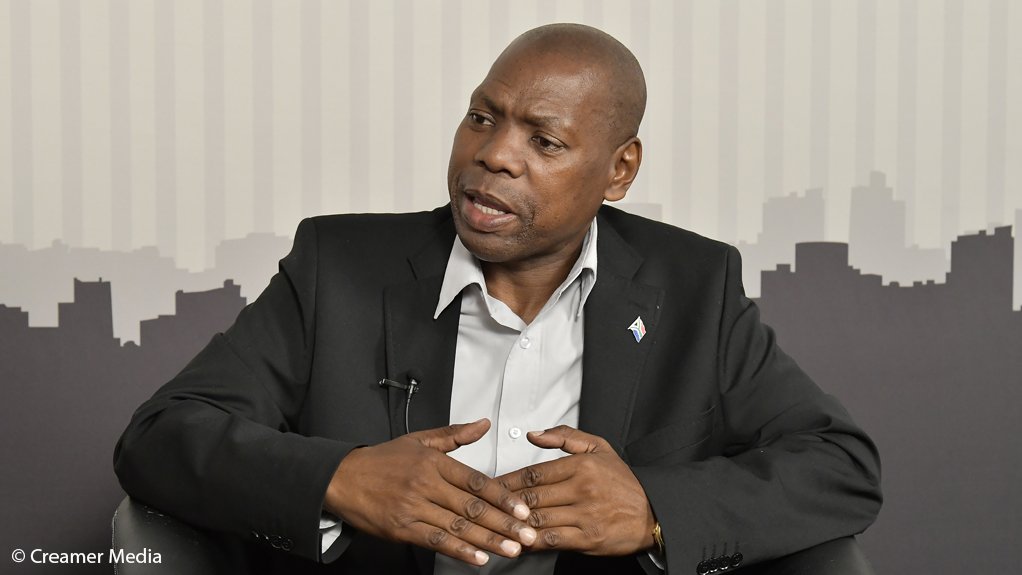
The Chairperson of the committee, Dr Zweli Mkhize, said the committee will revisit the issue of thresholds during deliberations on the Bill. “It cannot just disappear because it (the relevant provision) did not make it into the Bill,” he said.
The committee also noted the presentation by Parliament’s Constitutional and Legal Services Office. The Constitutional and Legal Services Office reminded the committee that the Bill still had to be tagged as either a Section 76 or a Section 75 Bill. This would determine the timeframes for legislative processing.
Members of the committee heard that the preferred option was to tag it as a Section 76 Bill, meaning it affects the provinces. In terms of Section 76 of the Constitution, Bills affecting the provinces are ordinary Bills and are subject to the same time frames as other ordinary Bills. However, the committee heard that there was no prescribed period for dealing with ordinary Bills since the time frames depended on the complexity of the legislation, the level of public involvement and consultation required, among other things. In the Sixth Parliament, Section 76 Bills took an average of 34 months. Joint Rule 245 now provides that Section 76 Bills must be processed by both Houses within a period of 30 months from introduction, subject to any agreed extensions. This still means the Bill will not be finalised before the local government elections.
The Chairperson emphasised that the committee is yet to start its substantive deliberations. “Members will come back with a proposed framework setting out the process that the committee should follow. This will include the proposed timeframes,” he said.
The committee secretariat will now prepare a framework to set out the process to be followed, including proposed timeframes and the proposed public-participation process for consideration by the committee.
Issued by the Parliamentary Communication Services on behalf of the chairperson of the portfolio committee on Cooperative Governance and Traditional Affairs, Dr Zweli Mkhize
EMAIL THIS ARTICLE SAVE THIS ARTICLE ARTICLE ENQUIRY FEEDBACK
To subscribe email subscriptions@creamermedia.co.za or click here
To advertise email advertising@creamermedia.co.za or click here


