





How do people in Gauteng know when motorists are driving under the influence? They are driving straight!
It is to this type of sardonic humour that residents in all three of Gauteng’s metros have turned as a coping mechanism against the proliferation of potholes, the near absence of road markings, and the reality that all too many streetlights and traffic signals are simply not working.
The poor state of the roads, together with leaks (or dug-up pavements and roads where water leaks have been left only partially repaired for months), and piles of rubbish where refuse removal is sorely inadequate, are the most obvious outward signs that the three metropolitan councils in the province are both broken and broke.
Less visible from street level, but as acutely felt by residents and businesses alike is the erratic supply of water and electricity services, chronic billing inaccuracies and ongoing tussles over property valuations that push up rates unjustifiably.
These are the spillover effects of years of municipal mismanagement and neglect, as well as corruption and looting, the scale of which is being brought to light only partially through the disgraceful revelations at the Madlanga Commission.
Against this backdrop, the offer by organised business to support the City of Johannesburg’s recovery through a structured partnership model is likely to be welcomed by many.
While the timing of the offer, ahead of local government elections, is less than ideal, few would disagree that the scale of the mess in which Johannesburg finds itself requires an urgent response.
At the same time, the offer comes with risks that cannot be ignored or dismissed.
Despite business’s insistence that this is a “non-partisan” intervention, the threat of political point-scoring is high, particularly given that the November municipal elections are likely to be the most competitive ever.
Some political actors will seek to leverage any positive outcomes unfairly, or scapegoat business when decisions are made that involve short-term pain for long-term gain.
Another risk is that of Johannesburg exceptionalism.
True, it remains the country’s economic engine and there is much at stake. However, Ekurhuleni and Tshwane are no less in need of financial and operational repair.
Should the model prove successful – as was the case after business involved itself directly with the country’s loadshedding crisis – the lessons and best practices need to be replicated across the municipal system, as South Africa cannot afford isolated pockets of improvement amid broader municipal malaise.
Transparency will also be critical if public confidence is to be maintained, especially given the potential for conflicts of interest once projects enter the procurement phase.
Most importantly, however, is for all involved to recognise that such partnerships cannot become a permanent feature of local governance.
Business can provide expertise, capacity and support, but elected councils and municipal administrations must ultimately regain the ability to perform their constitutional responsibilities independently and effectively.
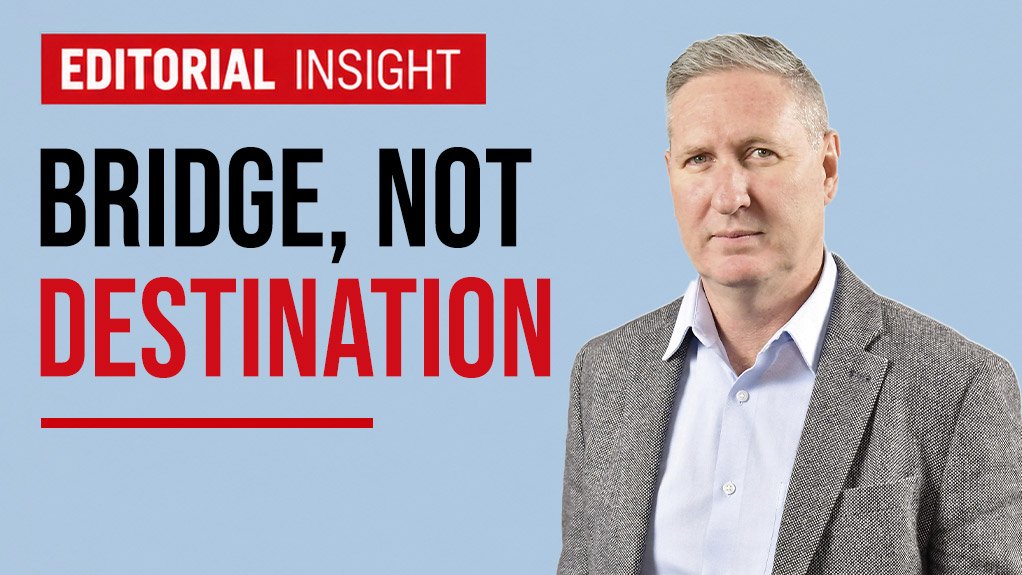
Partnerships can provide a bridge to that future, but they cannot become the destination.
EMAIL THIS ARTICLE SAVE THIS ARTICLE ARTICLE ENQUIRY FEEDBACK
To subscribe email subscriptions@creamermedia.co.za or click here
To advertise email advertising@creamermedia.co.za or click here


