





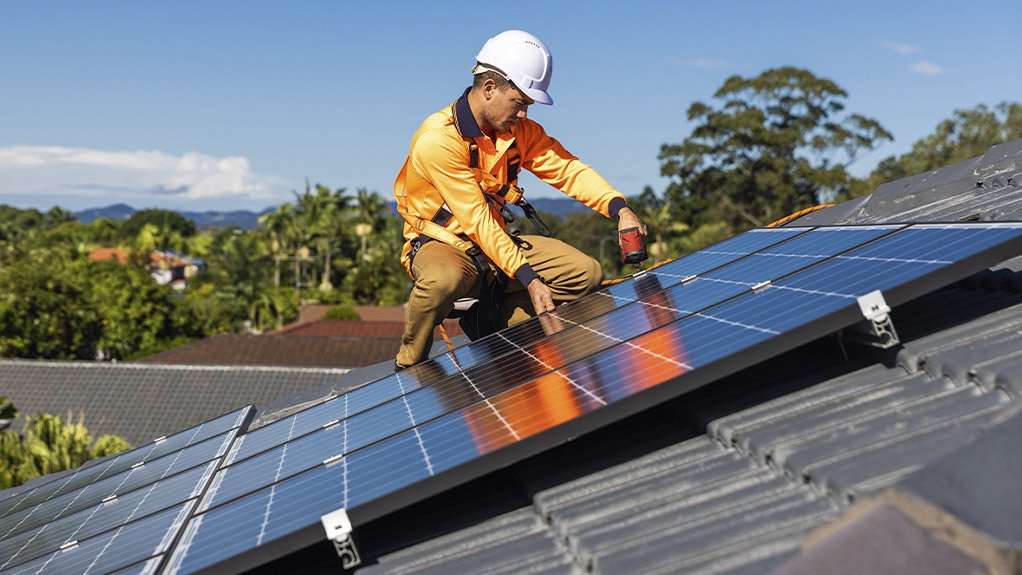
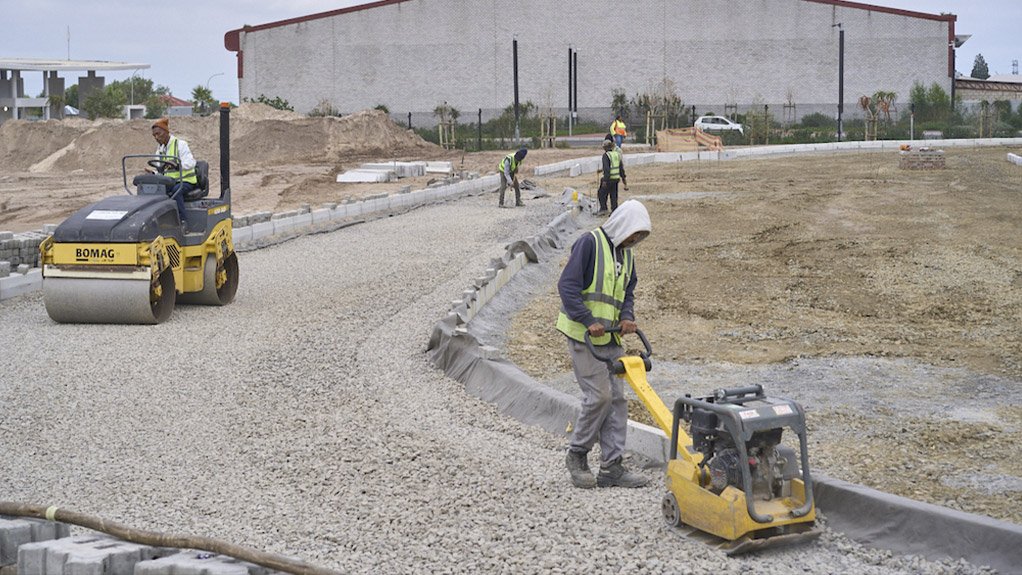
South Africa’s renewable energy industry has created tens of thousands of jobs, but most disappear once construction ends.
South Africa’s green economy is being promoted as a major source of future employment, with an estimated 1.3-million jobs created by 2030, rising to as many as 4.3-million by 2050.
Renewable energy projects have already generated tens of thousands of jobs through the Renewable Energy Independent Power Producer Procurement Programme (REIPPP), positioning the sector at the centre of the country’s Just Energy Transition.
But a closer look at the data reveals a more complex reality: while construction jobs are plentiful, far fewer workers remain employed once projects begin operating.
Not all green jobs are equal
Data from the REIPPP Office shows that while the programme has created around 70 000 jobs since its inception, only about 6 000 are permanent.
Most employment is concentrated in the construction, manufacturing and installation phases of projects, which typically last between six months and two years.
Once projects become operational, staffing needs drop sharply.
Unlocking Africa’s Green Transition, a report commissioned by FSD Africa, Shell Foundation and Shortlist, and produced by Genesis Analytics in June 2026, argues that not all green jobs are equal.
While utility-scale solar projects generate substantial employment during construction, those opportunities are largely temporary. Employment falls sharply once projects begin operating, whereas sectors such as clean cooking, solar home systems and distributed energy continue creating jobs through ongoing installation, sales, maintenance and servicing.
The report also cautions against measuring the success of the green economy solely through large renewable energy projects. It argues that many of Africa’s future green jobs are likely to come from small businesses and informal enterprises, with between 29-million and 37-million livelihoods expected to emerge by 2050 through community technicians, informal distributors and household energy service providers.
Employment pattern
According to the National Union of Mineworkers’ national energy sector coordinator, Khangela Baloyi, this employment pattern has become one of the biggest concerns surrounding South Africa’s renewable energy transition.
“Renewable energy technologies are not job intensive. They generate jobs during the construction phase, but during operation the jobs are minimal,” Baloyi told Oxpeckers during an interview in June 2026.
“Compared to renewable energy, coal technology creates more job opportunities during operation and across the value chain,” he said.
Baloyi said workers employed during construction often struggle to find work once projects are completed, and insufficient attention has been given to retraining and retaining workers affected by the country’s transition away from coal.
Short vs long-term benefits
Ian Steuart, chief economist at Trade and Industrial Policy Strategies, an independent, non-profit economic research institution based in Pretoria, agreed that renewable energy is creating jobs, but said expectations about long-term employment need to be realistic.
“The available evidence shows that employment is being created in South Africa’s renewable energy sector, but it is coming off a relatively low base,” Steuart said.
He questioned whether communities hosting renewable energy projects are receiving lasting employment benefits.
“I would say that some communities are benefiting in the short-term from REIPPP projects, but whether they are benefiting from long-term employment opportunities is doubtful. Remember that far fewer employment opportunities are generated in the operations and maintenance phase of a renewable energy project, so any longer-term benefit is limited.”
According to Steuart, construction remains the most labour-intensive stage of renewable energy development.
“The construction phase of renewable energy projects such as solar parks and wind farms is the most employment-intensive compared to the development or operation and maintenance phases, but employment in construction is of limited duration.
“In other words, any jobs created by the construction of renewable energy projects are eventually lost unless we can keep building new ones.”
Steuart believes greater employment opportunities lie beyond the construction of renewable energy plants themselves.
“The South African Renewable Energy Master Plan aims to create 25 000 jobs in the manufacturing of renewable energy and battery energy storage componentry by 2030. However, even if this target is achieved, these jobs would still account for a relatively small share of total manufacturing employment.”
90% drop in permanent jobs
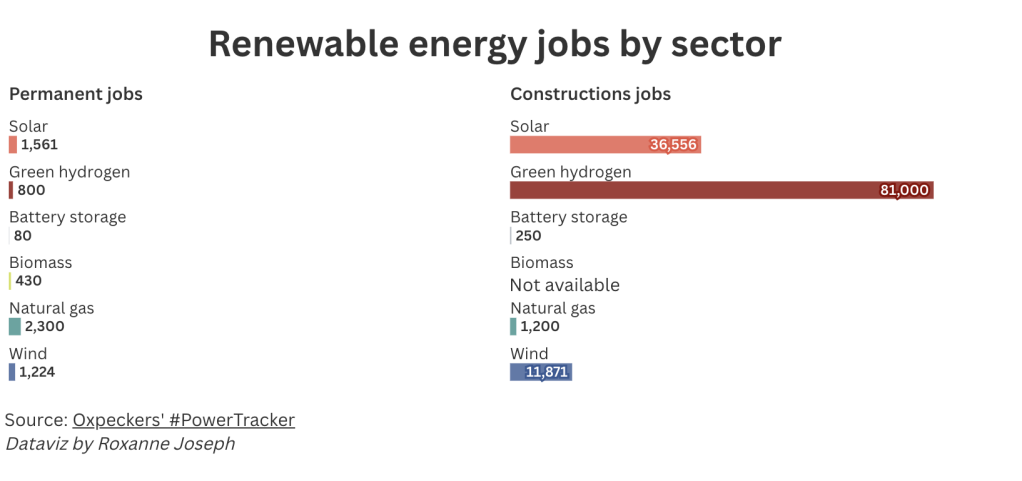
An analysis of Oxpeckers’ #PowerTracker database reveals a consistent trend across renewable energy developments in South Africa: construction employment dwarfs permanent operational jobs.
According to the #PowerTracker map, out of the 65 projects where employment numbers were available, a total of 130 877 were construction jobs and this dropped by close to 90% during operations: only 16,561 translated into permanent or full-time jobs.
The majority of these are solar powered, followed by wind. Most of the projects mapped are in the Northern Cape, followed by Mpumalanga.
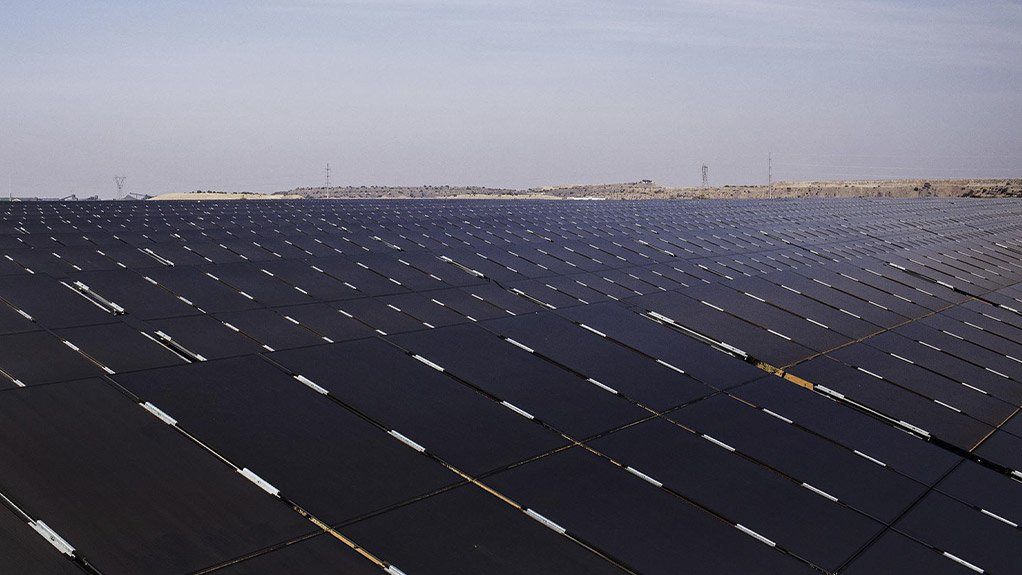
Adams Solar Park in the Northern Cape illustrates this trend.
According to the project’s developer, the SOLA Group, the project created 167 jobs during construction, with 63% filled by people from local communities. Once operational, however, employment was limited to six permanent positions in electrical maintenance, plant operations and security.
Speaking to Oxpeckers, Katherin Persson, the managing director at SOLA Group, explained that during construction the workforce peaked at approximately 170 employees.
“Throughout construction, a strong emphasis was placed on creating employment opportunities for surrounding communities, with local residents being prioritised for suitable roles wherever possible,” she said.
According to Persson, local workers participated in practical skills development programmes designed to equip them with experience in key areas of utility-scale solar project delivery.
“Training focused on electrical works, mechanical works, and photovoltaic (PV) module installation, enabling local employees to contribute directly to the construction of the solar facility while developing transferable skills.”
She said that by combining structured on-the-job training with hands-on experience, the programme helped strengthen the long-term employability of local workers within South Africa’s growing renewable energy sector.
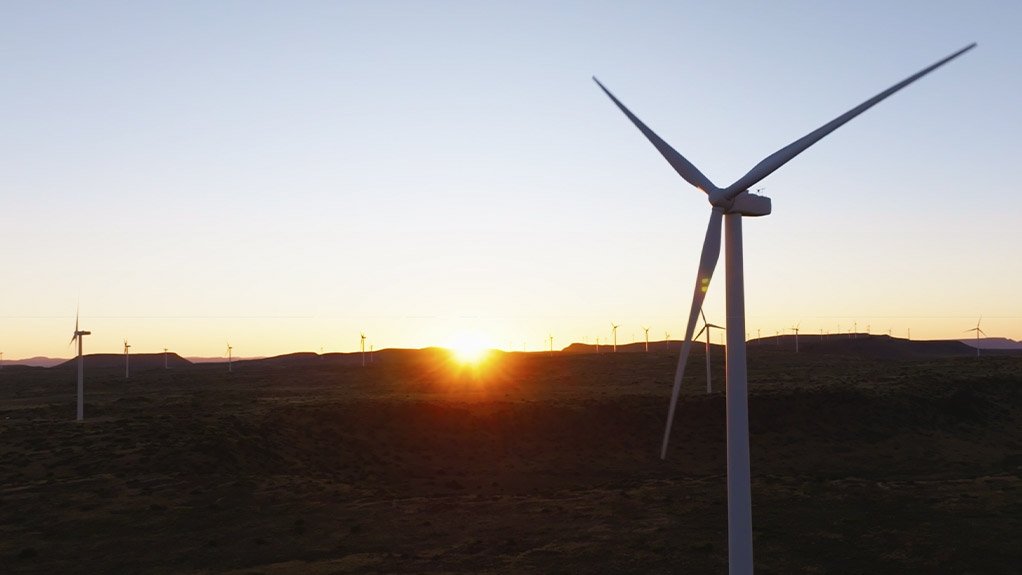
Similarly, Mulilo’s Longyuan De Aar 2 North wind farm supports around 45 permanent jobs after construction, highlighting the relatively small workforce required to operate a modern wind facility.
Redstone Solar Thermal Power Plant presents a different picture.
The project created more than 2 000 construction jobs, including around 400 reserved for local residents. Because concentrated solar power requires more complex operations than conventional solar photovoltaic plants, the facility is expected to sustain significantly more operational jobs than typical solar projects, at around 600 people.
Across the broader #PowerTracker dataset, the pattern remains consistent: construction employment creates an initial surge in jobs, followed by a steep decline once projects become operational.
Can localisation change the picture?
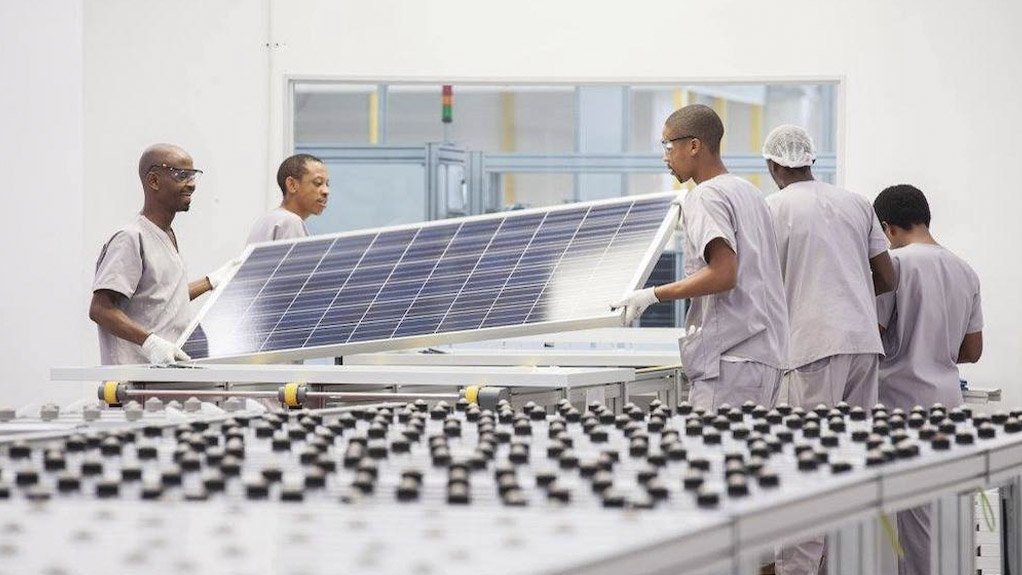
The wind industry believes the solution lies not only in building renewable energy projects but also in developing local manufacturing and supply chains.
According to South African Wind Energy Association chief communications officer Morongoa Ramaboa, localisation, manufacturing and skills development are fundamental to unlocking the sector’s full employment potential.
“They determine whether the energy transition simply delivers electricity, or whether it also creates sustainable industries, jobs and long-term economic growth,” she said.
Oxpeckers has been reporting on localisation efforts for several months. In November 2025, we uncovered a landmark High Court challenge to government departments and independent power producers accused of flouting localisation laws meant to drive South Africa’s green industrial development. (See Court case tackles not-so-proudly South African solar power)
In June 2026 in Is local lagging?, Oxpeckers found that while there has been an increase in localisation requirements under REIPPPP, inconsistent enforcement, global supply chain pressures and fiscal constraints are undermining these efforts.
Ramaboa said the draft Integrated Resource Plan, which sets out South Africa’s long-term electricity generation strategy, provides an opportunity to significantly expand the country’s wind energy sector.
“By 2042, South Africa plans to deploy approximately 43GW of wind energy, representing almost a tenfold expansion of today’s installed wind capacity.”
According to her, this level of deployment has the potential to provide jobs for between 25 000 and 30 000 people by 2030.
Policy certainty
She cautioned, however, that realising those employment opportunities depends on policy certainty.
“Manufacturers invest in local facilities when there is a long-term project pipeline. Skills providers develop programmes when there is confidence that graduates will find employment, and investors commit capital when policy signals are matched by consistent implementation.”
Ramaboa said employment created by the sector extends beyond wind farms themselves: “They include engineers, electricians, artisans, technicians, environmental specialists and many others.”
She said South Africa’s wind industry has already generated more than 74 000 GWh of clean electricity, with wind contributing around 62% of the country’s renewable energy generation.
The Public Investment Corporation and the University of Oxford suggest that large-scale green investment could generate around 70 000 jobs annually if South Africa successfully expands its green economy.
The evidence shows the country’s renewable energy programme is creating jobs, but not necessarily the kind many communities expected.
While construction phases continue to provide valuable short-term employment, permanent operational jobs remain comparatively few.
Investigated by Refilwe Mochoari and Thabo Molelekwa
NB:This investigation was by Oxpeckers #PowerTracker project supported by the New Economy Hub and Ford Foundation
EMAIL THIS ARTICLE SAVE THIS ARTICLE ARTICLE ENQUIRY FEEDBACK
To subscribe email subscriptions@creamermedia.co.za or click here
To advertise email advertising@creamermedia.co.za or click here


