






The business activity subindex of financial services firm Absa’s Purchasing Managers’ Index (PMI) showed a sharp deterioration of 8.6 points to 40.2 in August, which is its lowest level this year and signals a sharp deterioration in factory output, says economic research institute the Bureau for Economic Research (BER).
The headline Absa PMI declined further in August, falling to 45.8 points from 46.8 in July.
This is the fourth consecutive month-on-month decline and the lowest reading this year, signalling a weak start to the second half of this year, the BER, which compiles the PMI on behalf of Absa, says.
The new sales orders subindex also lost the ground that had been gained in July, declining to 40.3 from 44.1.
Export sales, while weak, strengthened slightly during the month, suggesting that the renewed deterioration in demand was largely driven by a softening in domestic demand.
Comments from respondents to the survey pointed to subdued demand, weak consumer confidence and particularly soft spending on non-essential goods.
Additionally, the employment index rose noticeably to 46.2 from 42.2 in July, but remains below the neutral 50-point mark, which continues to signal declining factory employment, albeit at a slower pace than previously.
The improvement suggests that the pace of factory jobshedding slowed during the month, the BER points out.
Further, the inventories index was broadly unchanged at 43.6 in August and remains well below the neutral 50-point mark. This suggests manufacturers continued to run down stocks amid weak demand.
Meanwhile, the supplier deliveries index rose to 58.6 from 55.5, signalling longer delivery times. Although the increase mechanically supports the headline PMI, the increase appears to reflect slower deliveries rather than stronger demand.
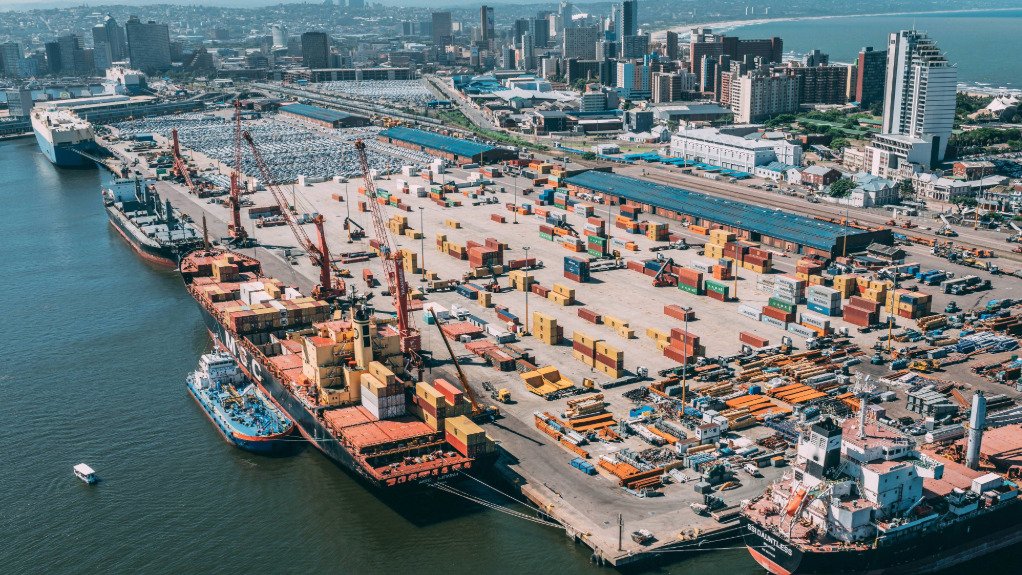
Several respondents reported container shortages, limited shipping space and congestion at the Durban harbour, which suggests that the increase reflected renewed supply-chain pressures rather than stronger demand, the BER says.
Cost pressures did not ease in August, with the purchasing price index unchanged at 67.2, after declining significantly from its May peak of 84.8.
Higher diesel and international oil prices added to costs during the month, while a stronger rand provided some relief on imported inputs. Respondents also pointed to higher freight and delivery costs.
With the diesel price set to increase again in September, input cost pressures are likely to remain elevated.
However, there was a notable improvement in expectations, and the index tracking expected business conditions in six months’ time rebounded to 54.7 from 49.3, moving back above the neutral 50-point mark.
This provides some hope that manufacturers view the current weakness as temporary, although the combination of subdued orders and sharply weaker production suggests that near-term conditions remain challenging, the BER points out.
EMAIL THIS ARTICLE SAVE THIS ARTICLE ARTICLE ENQUIRY FEEDBACK
To subscribe email subscriptions@creamermedia.co.za or click here
To advertise email advertising@creamermedia.co.za or click here


