





Not-for-profit organisation Amnesty International is calling on Southern African leaders to urgently institute social protection measures to ensure the right to food for its citizens as the coronavirus (Covid-19) pandemic persists.
The organisation has suggested measures such as food subsidies for people living in poverty, and directly providing food to those who are unable to provide for themselves.
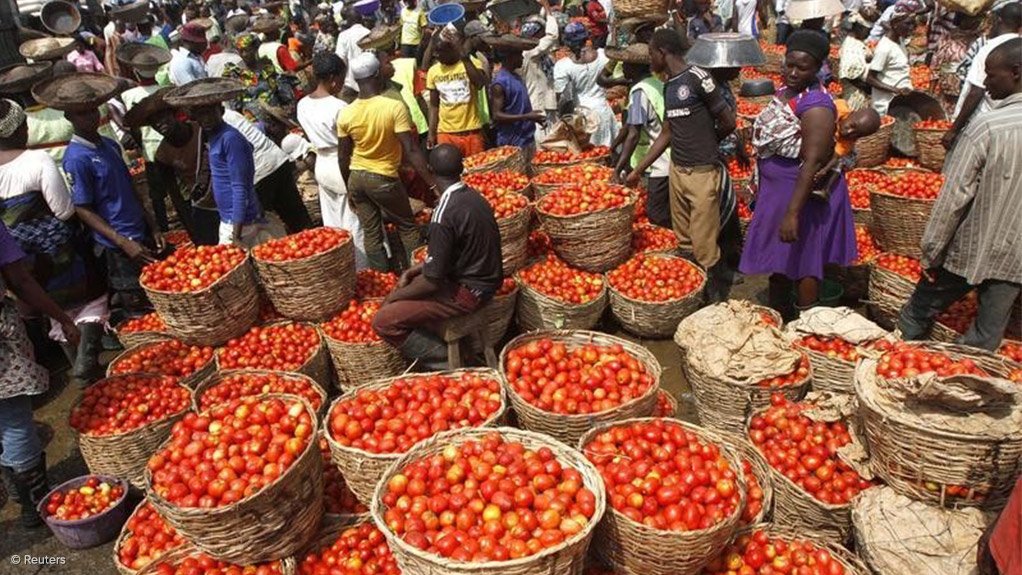
The organisation says millions across Southern Africa face hunger during this time, as the African continent confirms 19 000 Covid-19 cases.
Amnesty International East and Southern Africa director Deprose Muchena said with high levels of inequality and unemployment across Southern Africa, many people live hand to mouth and cannot afford to stockpile food for a lockdown that lasts weeks or months.
“Without support from the government, the lockdown could become a matter of life and death for those living in poverty. Currently, many are being forced to choose between complying with lockdown measures and going hungry, or stepping out to access food and being penalised for it,” said Muchena.
Further, many people in the region work in the informal economy, as street vendors or manual labourers, and are barred from making an income as some countries have prohibited working in these sectors.
SECURITY FORCES AND LIVELIHOODS
The organisation is also calling for security personnel to refrain from using disproportionate force in dealing with members of the public, including beatings and other forms of public humiliation, such as making people crawl on the ground.
In some instances, police are accused of entering people’s homes and assaulting them.
South Africa has seen a few cases of alleged abuse from the deployed security personnel during lockdown.
In Zambia, police were seen indiscriminately beating up people on the streets, including in pubs, while in Zimbabwe, police officers raided vegetable markets at dawn causing more than 300 vegetable vendors to flee and leave behind their produce.
Mozambique has had cases of police raiding informal vendors’ shops and stealing their goods, while in Angola, police violence has also been reported.
“Lockdown measures in place across the region, intended to lessen the catastrophic consequence of Covid-19, must be accompanied with social protection measures for those living in poverty and facing unemployment in order to mitigate the impact of this double jeopardy of lockdown and hunger. Governments cannot criminalise people for leaving their homes to look for food or because they need to work in order to make a basic livelihood,” said Muchena.
He urged governments to seek help from the international community where they could not adequately protect people’s health, livelihoods and human rights.
EMAIL THIS ARTICLE SAVE THIS ARTICLE ARTICLE ENQUIRY FEEDBACK
To subscribe email subscriptions@creamermedia.co.za or click here
To advertise email advertising@creamermedia.co.za or click here


