





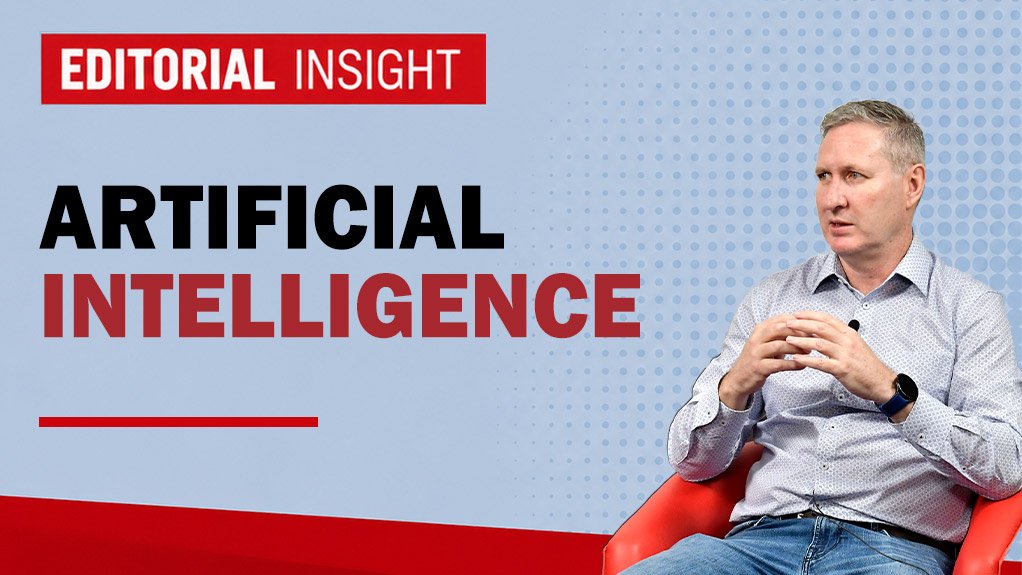
The extraordinary pace at which AI is advancing is at once exciting and terrifying. Exposure to the public-facing systems leaves one blown away by the speed and accuracy of the outputs. These improve daily and point to AI potentially playing a positive role in everything from healthcare to infrastructure.
Yet there are understandable concerns about the social, economic and political risks, particularly given that frontier AI is developing in a regulatory vacuum. Indeed, what we currently know about the risks associated with the most powerful models is only because of disclosures by the companies developing them, raising serious questions about what has not been self-disclosed.
The reports themselves are troubling, as they indicate that some models have demonstrated deception and sabotage capabilities when pursuing assigned objectives or when attempting to avoid shutdown.
Besides malicious actors potentially using prompt engineering to attack banks, electricity systems, telecoms networks, water infrastructure or government databases, there are also those highly publicised concerns about the potential for Agentic AI to wipe out humanity.
Given South Africa’s significant distance from the AI frontier, it is difficult to know how best to prepare, but prepare we must.
Part of the solution surely lies in setting out what we as a country want from AI, while agreeing on the red lines.
Take the issue of the labour market, which has to top this country’s list of considerations given an already extreme unemployment crisis that could deepen as AI penetration rises.
What South Africa definitely wants is for AI to boost productivity. But to do so without rapidly reducing the number of people employed in affected sectors, while creating new work opportunities in areas that will be catalysed by AI, both known, such as critical minerals and renewable energy, and those yet to be revealed.
This will require proactive policy choices in traditional areas such as education and training, mineral resources, energy, and environmental protection, as well as new policy thinking when it comes to possible safeguards and safety nets and how best to fund such systems.
Likewise, decisions need to be made on how children and the integrity of their education will be protected, and how human rights and democratic institutions will be defended.
Such a whole-of-society approach requires more than a new AI White Paper and will need inputs and consultations that extend beyond the realm of traditional policymaking. It may even be worth considering the creation of a permanent multi-stakeholder body, led at the highest level, that can consult with civil society and advise government on the actions needed to advance a humanity-centric AI vision aligned to the Constitution.
There may well be better alternatives to creating yet another structure. What cannot wait, however, is a concerted effort to prepare South Africa for the AI challenge. And until we know as a country what we want from AI, as well as what we don’t want, it will be difficult to mobilise a coherent response.
EMAIL THIS ARTICLE SAVE THIS ARTICLE ARTICLE ENQUIRY FEEDBACK
To subscribe email subscriptions@creamermedia.co.za or click here
To advertise email advertising@creamermedia.co.za or click here


