






The content on this page is not written by Polity.org.za, but is supplied by third parties. This content does not constitute news reporting by Polity.org.za.
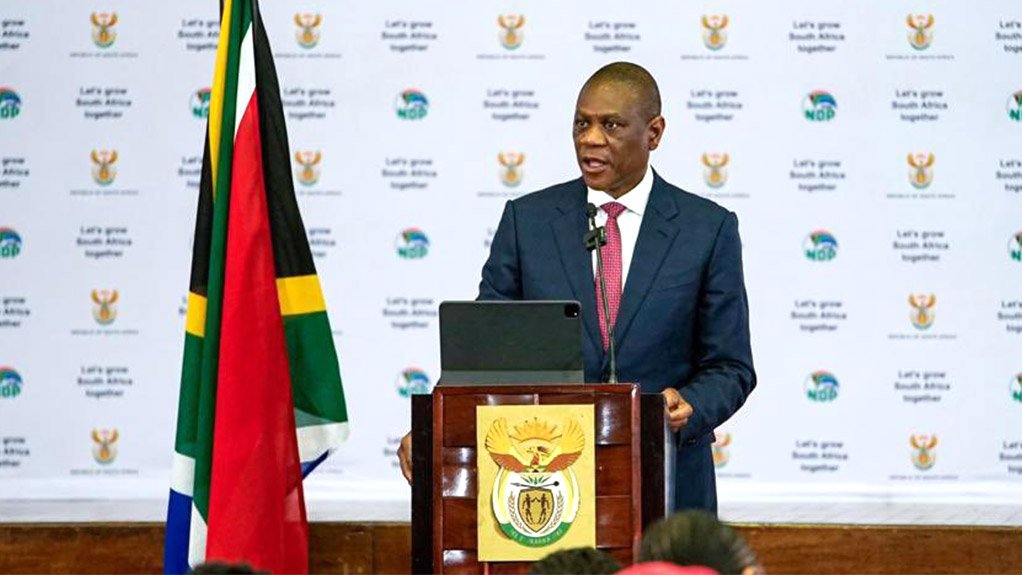
The civil rights organisation AfriForum has sent a request in terms of the Promotion of Access to Information Act (PAIA) to the Department of Communications and Digital Technologies requesting detailed information and clarity regarding the Deputy President Paul Mashatile’s recent announcement of the launch of BrainSAT Satellite Services, a South African state-backed satellite internet and communication provider. AfriForum also asks to see the Memorandum of Understanding (MoU) that was signed with Space42 and BrainSAT Technologies during a state visit to Dubai, UAE, in April 2024.
This comes amid the South African government’s continuing efforts to block Elon Musk’s satellite internet service Starlink in South Africa based on strict racial grounds. AfriForum has been a leading voice in the fight to bridge the digital gap between rural and urban communities, with Starlink being the obvious solution. The only thing standing in the way up until this point has been the government’s race laws.
AfriForum has therefore requested transparency about the procurement process involved; how BrainSAT was identified or selected; and whether any competitive procurement process was followed. The civil rights organisation also asked for copies of any Requests for Information (RFI), Requests for Proposals (RFP), Requests for Quotations (RFQ), tenders or bid documents.
According to Ernst van Zyl, Head of Public Relations at AfriForum, the two products are vastly different in internet speed. While SpaceX’s Starlink provides speeds of between 40 to 250 megabytes per second (Mbps), Space42’s Thuraya-4 satellite service delivers a maximum internet speed of just 1 Mbps (up to 1024 kilobytes per second). Starlink’s services are also significantly cheaper than those offered by Space42.
“Starlink’s internet connection speed is strong enough that it can be used by multiple people, such as a school or entire office or administrative building, and thus disperse the cost, while Thuraya-4’s cost has to be carried individually and cannot be shared in this way,” Van Zyl says.
“The only reason the South African government is opting for the significantly worse and more expensive satellite communication service is because, unlike Starlink, Space42 is willing to comply with its race-based demands. Once again, the government’s racialist agenda is prioritised above improving the lives of South Africans.”
Issued by AfriForum
EMAIL THIS ARTICLE SAVE THIS ARTICLE ARTICLE ENQUIRY FEEDBACK
To subscribe email subscriptions@creamermedia.co.za or click here
To advertise email advertising@creamermedia.co.za or click here


