






Financial services firm Absa’s Purchasing Managers’ Index (PMI) declined to 46.8 in July, from 47.3 points in the prior month.
While this reading suggests a weak start to the third quarter, the headline decline arguably overstates the weakness in underlying manufacturing conditions, as domestic demand improved and lifted new sales orders, Absa comments.
This, in turn, supported an improvement in production with the business activity index ticking up for a second consecutive month to 48.8. Improved demand likely supported the uptick in production, albeit insufficient to push it back into positive terrain, it adds.
Although the index remained below the neutral 50- point mark, the steady improvement since May suggests that manufacturing output entered the third quarter on a firmer footing than implied by the headline PMI.
Meanwhile, the new sales orders index recovered almost all of June’s loss, returning to 44.1 index points. The improvement seems to be driven entirely by stronger domestic demand, as export sales plunged in July.
Respondents' commentary is fairly mixed, with some noting improved demand but others lamenting that conditions are the worst in a year. This suggests that conditions remain highly uneven across manufacturers, with the recovery far from broad-based, Absa says.
Additionally, the decline in supplier deliveries also weighed on the headline PMI, but this could be seen as a positive development. The index is inverted and faster deliveries would contribute to a lower index.
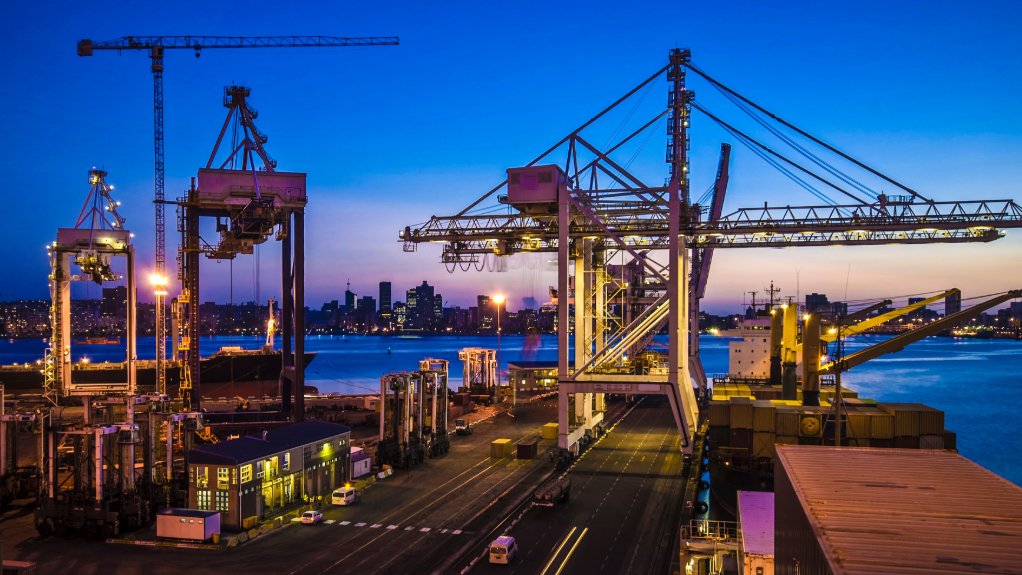
In the South African context, a decline could signal some improvement in supply chains. Recent data suggests activity in the Durban port is picking up, although Cape Town harbour is still underperforming, Absa points out.
However, the further decline in inventories is more difficult to interpret, as it could suggest that purchasing managers remain unconvinced that stronger demand will persist.
The inventories index declined further to 43.2 in July after a sharp drop in June to 49, from 55.8 in May. This comes after two months of relatively high readings and suggests purchasing managers are not restocking on raw materials and intermediate goods, possibly in anticipation of further price declines.
Further, the index tracking expected business conditions in six months’ time declined to 49.3, down from 56.6 in June. The renewed escalation of tensions in the Middle East, together with higher oil prices following June's lows, likely contributed to the deterioration in sentiment.
However, the sharp decline also suggests that manufacturers remain cautious about the durability of the recent improvement in activity, says Absa.
The purchasing price index came down in July, which suggests that the worst of the recent oil price shock has likely passed, barring any further upsurge in global energy costs. However, input cost pressures remain elevated relative to the pre-war period and the expected increase in diesel prices later this week will put renewed pressure on costs.
If recent rand weakness is sustained, that would also put upward pressure on imported goods costs, the bank notes.
The employment index edged up by 0.8 points to 42.2 in July. This is slightly below the average recorded so far this year, which suggests that firms remain reluctant to expand payrolls despite the modest recovery in activity.
Overall, the July survey paints a somewhat more encouraging picture than the headline PMI suggests. Domestic demand and production continued to recover, while easing cost pressures offered further relief, says Absa.
However, subdued confidence, weak export demand and continued inventory drawdowns suggest manufacturers remain cautious about the sustainability of the recovery.
EMAIL THIS ARTICLE SAVE THIS ARTICLE ARTICLE ENQUIRY FEEDBACK
To subscribe email subscriptions@creamermedia.co.za or click here
To advertise email advertising@creamermedia.co.za or click here


