Inequality
Inequality refers to the uneven distribution of income, wealth, opportunities and resources within a society or economy. It is typically measured using statistical tools such as the Gini coefficient, which ranges from zero (perfect equality) to one (maximum inequality), and by comparing income or consumption shares across population deciles or quintiles. Economic inequality encompasses disparities in earnings, asset ownership, access to credit and returns on investment, whilst broader measures capture gaps in education, healthcare, employment quality and social mobility. High inequality can constrain economic growth by limiting human capital development, reducing aggregate demand and fuelling social and political instability. Inequality is driven by factors including unequal access to education and skills, labour market segmentation, capital concentration, tax and transfer policies, discrimination and historical legacies of exclusion. In many African economies, inequality intersects with geographic divides between urban and rural areas, gender disparities and ethnic or racial stratification. Addressing inequality requires policy interventions such as progressive taxation, investment in public services, labour market reforms, land redistribution and measures to promote inclusive growth. International organisations and governments increasingly recognise that reducing inequality is essential not only for social cohesion but also for sustainable development and poverty alleviation. Inequality remains a defining challenge in both developed and developing countries, shaping debates over economic policy and social justice.
Inequality Updates
GCRO, Mistra launch Gauteng 2035 scenarios report
By: Natasha Odendaal 14th May 2026 A new report has outlined three scenarios for South Africa’s most populous province by 2035. The 'Finding Our Rhythm: Pathways and Futures for the... →

Daily Podcast – April 24, 2026
By: Thabi Shomolekae 24th April 2026 Making headlines: Opposition parties slams leadership instability following SAPS Commissioner’s suspension; Ramaphosa warns global inequality... →
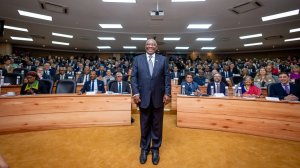
Ramaphosa warns global inequality entrenches poverty, calls for independent panel to be recognised 
By: Thabi Shomolekae 24th April 2026 President Cyril Ramaphosa on Friday declared global inequality as one of the most pressing threats to human progress, warning that it stunts... →
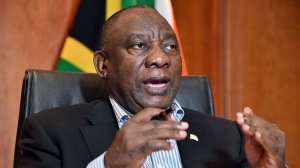
We must defend and build democracy across the world
20th April 2026 Dear Fellow South African, As we prepare for Freedom Day on 27 April, we reflect on our journey to deepen democracy and advance human rights for... →

A new focus
By: Econ3x3 24th February 2026 In Part 1 of this article, we argued that inequality in South Africa is a core structural constraint on economic growth. Despite sustained income... →

Inequality is the binding constraint to growth
By: Econ3x3 24th February 2026 Inequality is not only a moral and political issue in South Africa but a core structural constraint on economic growth. Despite significant... →
Mozambique floods: why the most vulnerable keep paying the highest price
9th February 2026 When floods submerged parts of Mozambique after heavy rains in 2000, a baby girl was born in a tree, where her mother clung as the Limpopo river... →
Colonial tax records hold 3 lessons for South Africa today – economic historian
23rd January 2026 In 1825, a tax collector compiling a census in South Africa’s Cape Colony paused to write a poem in the margin of his work. In it, he complained... →
 |
 |
1 |
 |
 |