Electricity Generation
Electricity generation is the process of producing electrical power from primary energy sources for distribution and consumption by industrial, commercial and residential users. The sector encompasses a range of technologies that convert various forms of energy—including fossil fuels such as coal, natural gas and oil, nuclear fission, and renewable sources such as hydropower, wind, solar photovoltaic, biomass and geothermal—into electricity. Generation facilities range from large centralised power stations, such as coal-fired plants and nuclear reactors, to distributed systems including rooftop solar panels and small-scale wind turbines. The industry is capital-intensive, requiring substantial investment in infrastructure, transmission networks and maintenance. Electricity generation is a cornerstone of modern economies, underpinning manufacturing, transport, communications and domestic life. In South Africa, the sector is dominated by coal-fired generation, though renewable energy capacity has expanded significantly since the introduction of the Renewable Energy Independent Power Producer Procurement Programme. Key drivers include demand growth, energy security, environmental regulation and the transition towards lower-carbon technologies. Challenges facing the industry include ageing infrastructure, fuel supply constraints, regulatory uncertainty and the need to balance affordability, reliability and sustainability. The sector is typically subject to oversight by energy regulators, which set tariffs, license operators and enforce compliance with technical and environmental standards.
Electricity Generation Updates
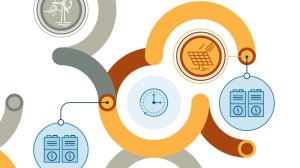
24/7 renewables: The economics of firm solar and wind
12th May 2026 Solar and wind have become the cheapest sources of new electricity generation worldwide. As renewable penetration rises, however, the central... →
 |
 |
1 |
 |
 |