AIDS
AIDS (Acquired Immunodeficiency Syndrome) is the most advanced stage of infection with the human immunodeficiency virus (HIV), characterised by severe damage to the immune system that leaves the body vulnerable to life-threatening opportunistic infections and cancers. The syndrome develops when HIV has destroyed a critical mass of CD4+ T cells, typically defined as a CD4 count below 200 cells per cubic millimetre or the presence of certain defining illnesses. Transmission occurs through contact with infected blood, semen, vaginal fluids or breast milk, most commonly via unprotected sexual intercourse, sharing of needles, mother-to-child transmission during pregnancy or breastfeeding, and contaminated blood transfusions. Without treatment, AIDS typically develops eight to ten years after initial HIV infection, though progression varies widely between individuals. Symptoms include rapid weight loss, recurring fever, profound fatigue, prolonged swelling of lymph glands, chronic diarrhoea, pneumonia, neurological disorders and skin lesions. Sub-Saharan Africa bears the heaviest burden of the epidemic, accounting for approximately two-thirds of all people living with HIV globally, with prevalence rates exceeding 20% of the adult population in some southern African countries. Antiretroviral therapy has transformed AIDS from a near-certain death sentence into a manageable chronic condition, enabling people living with HIV to achieve undetectable viral loads, maintain healthy immune function and live near-normal lifespans. The economic impact of AIDS in high-prevalence countries has been profound, reducing workforce productivity, straining healthcare systems, creating millions of orphans and undermining development gains. Public-health responses combine prevention efforts including condom distribution, voluntary testing and counselling, male circumcision programmes and pre-exposure prophylaxis with expanded access to antiretroviral treatment and care for opportunistic infections. The syndrome was first recognised as a distinct clinical entity in 1981, with HIV identified as the causative agent in 1983, and has since claimed more than 40-million lives worldwide whilst generating unprecedented global health mobilisation and research investment.
AIDS Updates

HIV in South Africa: why rolling out a groundbreaking new shot will miss a critical group of men
1st June 2026 The first shipment of Lenacapavir, a long-acting injectable that prevents HIV with two shots a year, arrived in South Africa from the United States... →
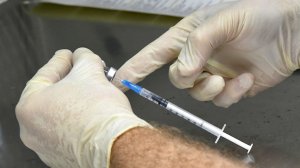
DA, ANC laud arrival of HIV prevention injection
By: Thabi Shomolekae 8th April 2026 The Democratic Alliance (DA) and the African National Congress (ANC) have welcomed the arrival of the HIV prevention drug Lenacapavir, donated by... →
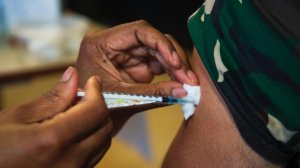
South Africa seeks local production of Gilead's HIV prevention drug
By: Reuters 5th March 2026 South Africa is asking local drugmakers to start a process to make Gilead Sciences’ long-acting HIV prevention drug, lenacapavir, domestically, in... →

Ramaphosa’s 2025 Sona promises: how has he fared?
By: Africa Check 11th February 2026 South African president Cyril Ramaphosa is expected to deliver the state of the nation address (Sona) on 12 February 2026. The annual speech is an... →

Committee chairperson expresses concern on ARV suppliers placed under business rescue
27th January 2026 The Chairperson of the Portfolio Committee on Health, Ms Faith Muthambi, has noted with concern media reports regarding two suppliers contracted to... →
 |
 |
1 |
 |
 |