




We are sorry, but we don't have any articles at this address...
Make sure you have the correct URL or search for the article you are looking for below.
Headline News
DA wants committee to investigate ‘inflated’ salary of Parliament Secretary 
By: Sashnee Moodley Updated 7 hours ago The Democratic Alliance has tabled a motion for the establishment of an ad hoc joint committee to investigate allegations that Secretary to... →
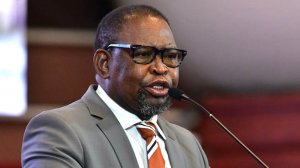
South Africa contingency reserves won't be spent on Eskom, Transnet – Godongwana
By: Reuters Updated 3 hours ago South Africa will use future drawdowns of its Gold and Foreign Exchange Contingency Reserve Account to curb its debt burden, Finance Minister Enoch... →
Reserve bank to cut rates less than earlier thought in 2024 – poll
By: Reuters Updated 7 hours ago South Africa's central bank is now predicted to deliver only 50 basis points of interest rate cuts this year, less than earlier projected as... →


